
Galleries
Vietnam War
The Vietnam War, also known as the Second Indochina War, and in Vietnam as the Resistance War Against America, was a long, costly and divisive conflict that pitted the communist government of North Vietnam against South Vietnam and its principal ally, the United States. The conflict was intensified by the ongoing Cold War between the United States and the Soviet Union. More than 3 million people (including over 58,000 Americans) were killed in the Vietnam War, and more than half of the dead were Vietnamese civilians. Opposition to the war in the United States bitterly divided Americans, even after President Richard Nixon ordered the withdrawal of U.S. forces in 1973. Communist forces ended the war by seizing control of South Vietnam in 1975, and the country was unified as the Socialist Republic of Vietnam the following year.
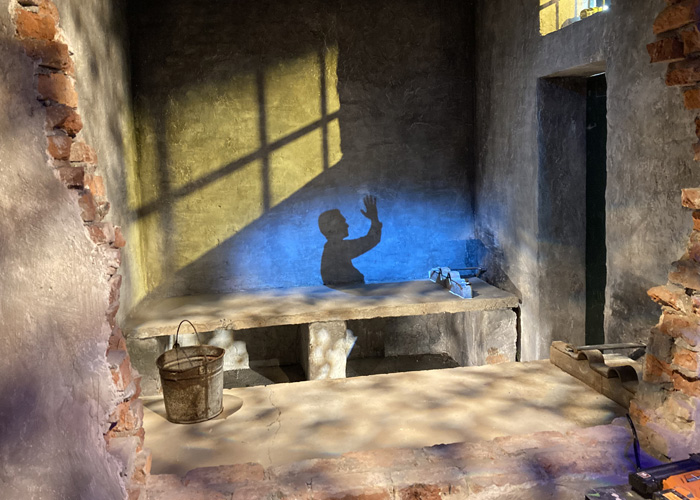
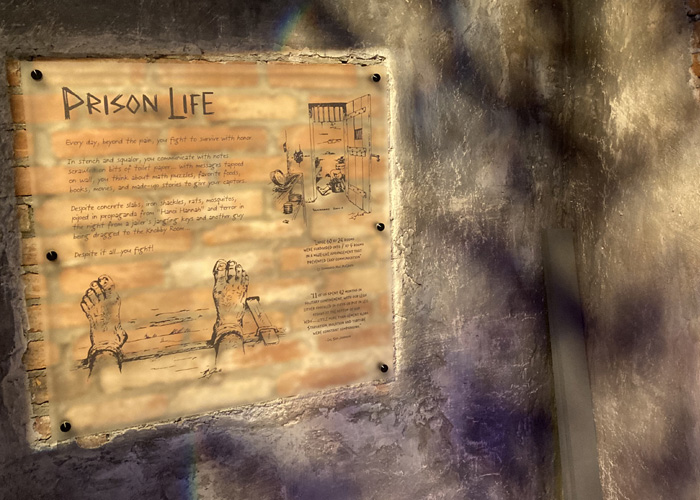
Hanoi Hilton Exhibit
Coined the “Hanoi Hilton” by American prisoner Robert Shuemaker, the Hỏa Lò prison became synonymous with the POW plight during the War, and long after. American prisoners of war in the Hỏa Lò prison were subjected to extreme torture and malnutrition during their captivity. Although a signatory of the Third Geneva Convention of 1949, which demanded “decent and humane treatment” of prisoners of war, North Vietnam employed severe torture methods, including sleep deprivation, malnutrition, beatings, hanging by ropes, locking in irons, and prolonged solitary confinement.
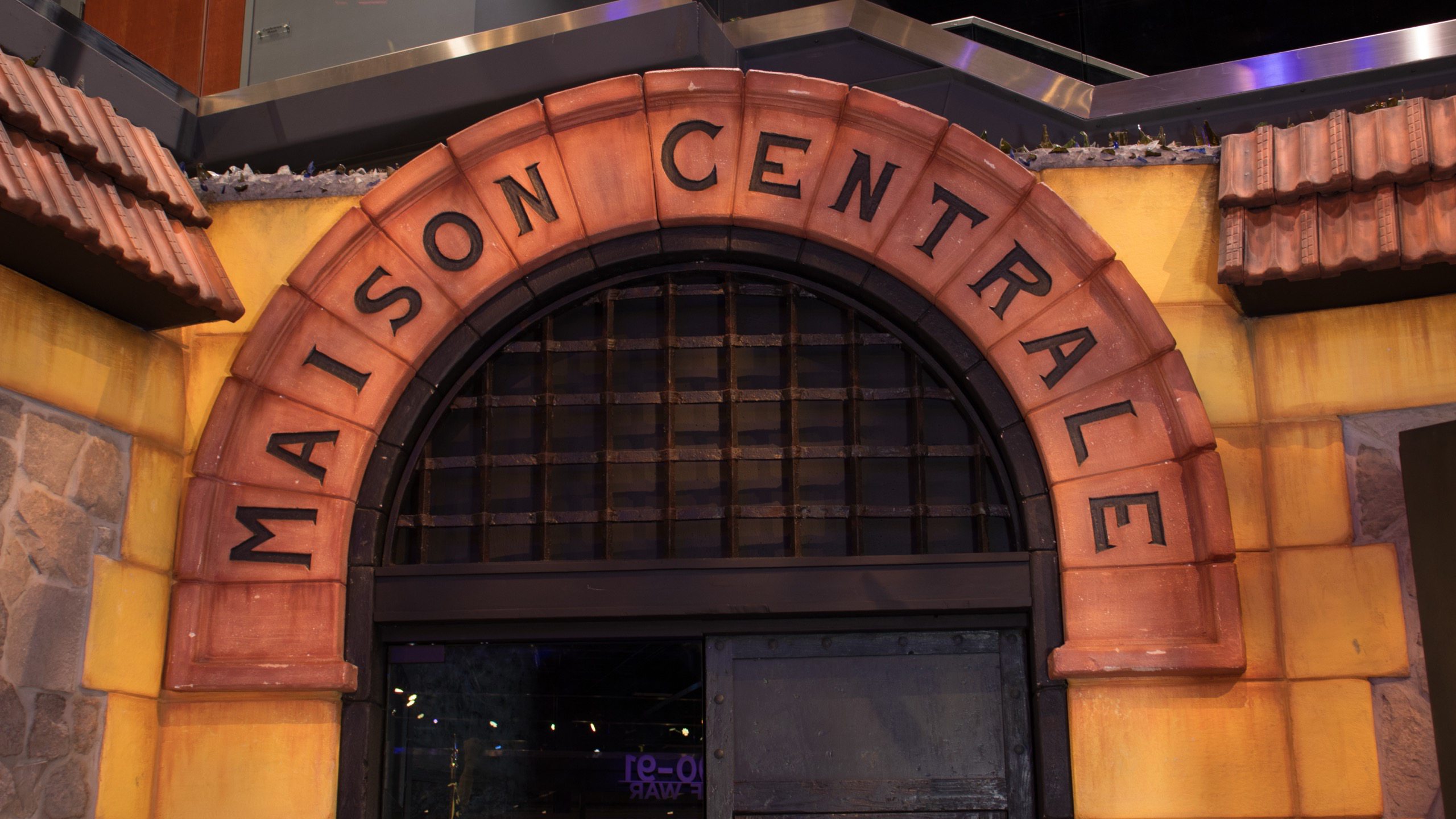
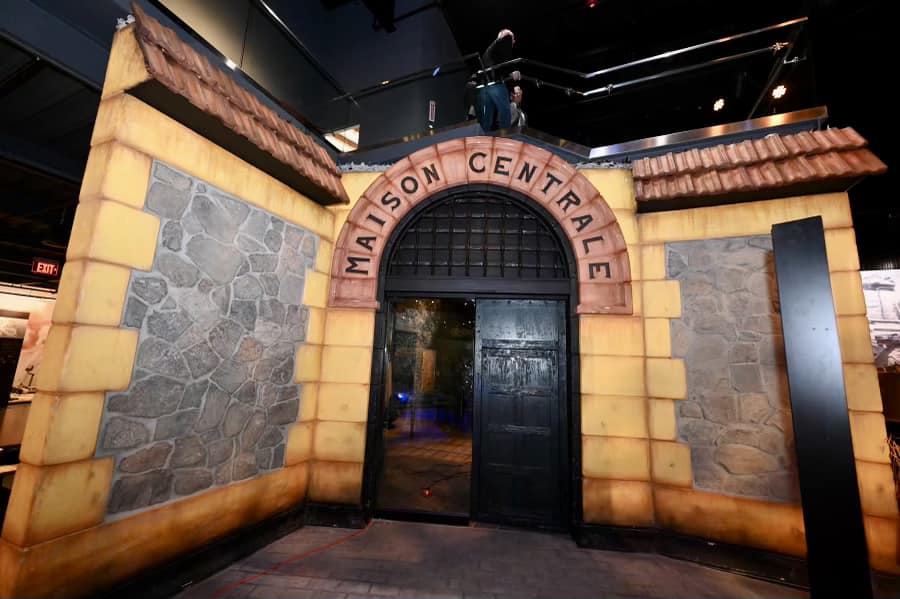
The prison was built in Hanoi by the French between 1886 to 1901, when Vietnam was still part of French Indochina. The French called the prison Maison Centrale or Central House, which is still the designation for prisons housing dangerous or long sentence detainees in France. Known locally as Hỏa Lò prison, it was built at the previous location of the Phu Khanh village. The village baked locally sourced earthenware in furnaces, and the name “Hỏa Lò” means “fiery furnace” or “stove.”
The prison was originally designed to house 460 inmates, but was often overcrowded. Due to the harsh nature of French rule and a vicious justice system, the prison was always oversupplied with inmates. Many were political prisoners agitating for independence who became the subjects of torture and execution.
Re-purposed during the Vietnam War, the first U.S. prisoner sent to Hỏa Lò was Lieutenant Junior Grade Everett Alvarez Jr., who was shot down on August 5, 1964. From the beginning, U.S. POWs at Hỏa Lò endured miserable, unsanitary conditions, including meager rations of food and the ever-present threat of starvation. Beginning early in 1967, a new area of the prison was opened for incoming American POWs. It was dubbed “Little Vegas,” and its individual buildings and areas were named after Las Vegas strip landmarks, such as “Golden Nugget,” “Thunderbird,” “Stardust,” “Riviera,” “Heartbreak Hotel” and the “Desert Inn.”
Hundreds of American POWs, mostly airmen, endured months of isolation and squalid conditions at Hỏa Lò. Several well-known veterans spent years in confinement there, including John McCain, James Stockdale, Bud Day, Joseph Kittinger, James Robinson Risner, Jerry Coffee and Everett Alvarez, Jr. John McCain was tortured regularly for over five years, as was Bud Day. Navy pilot Everett Alvarez was interned in the Hanoi Hilton from August 1964 until February 1973, removed from the world for nearly a decade.
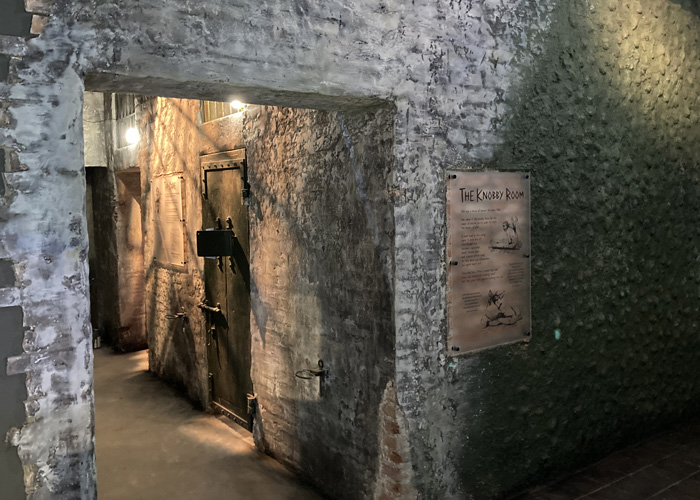
During 1994, the Hỏa Lò site was selected for redevelopment and the prison complex was slated for demolition. Due to the infamous colonial history of the original prison, the entrance house and west side buildings were retained as a museum focusing on French oppression and cruelty. Through the efforts of Mr. Jeet Mahal, a collector of artifacts for U.S. museums in the 1990s, four complete cells were saved, along with associated bricks and artifacts. The many pallets of bricks, materials, shackle beds, and cell doors have been moved to the American Heritage Museum and reconstructed within the Vietnam War exhibit.
In honor of their resistance and courage against their captors, two Medal of Honor commendations were issued to Hỏa Lò POWs Bud Day and James Stockdale. The cells have been carefully reconstructed within the American Heritage Museum’s Vietnam War exhibit — the only place in the world where you can see them. The Hỏa Lò display serves as a tribute to our soldiers’ bravery and a reminder of the horrors they suffered.
Gallery Artifacts
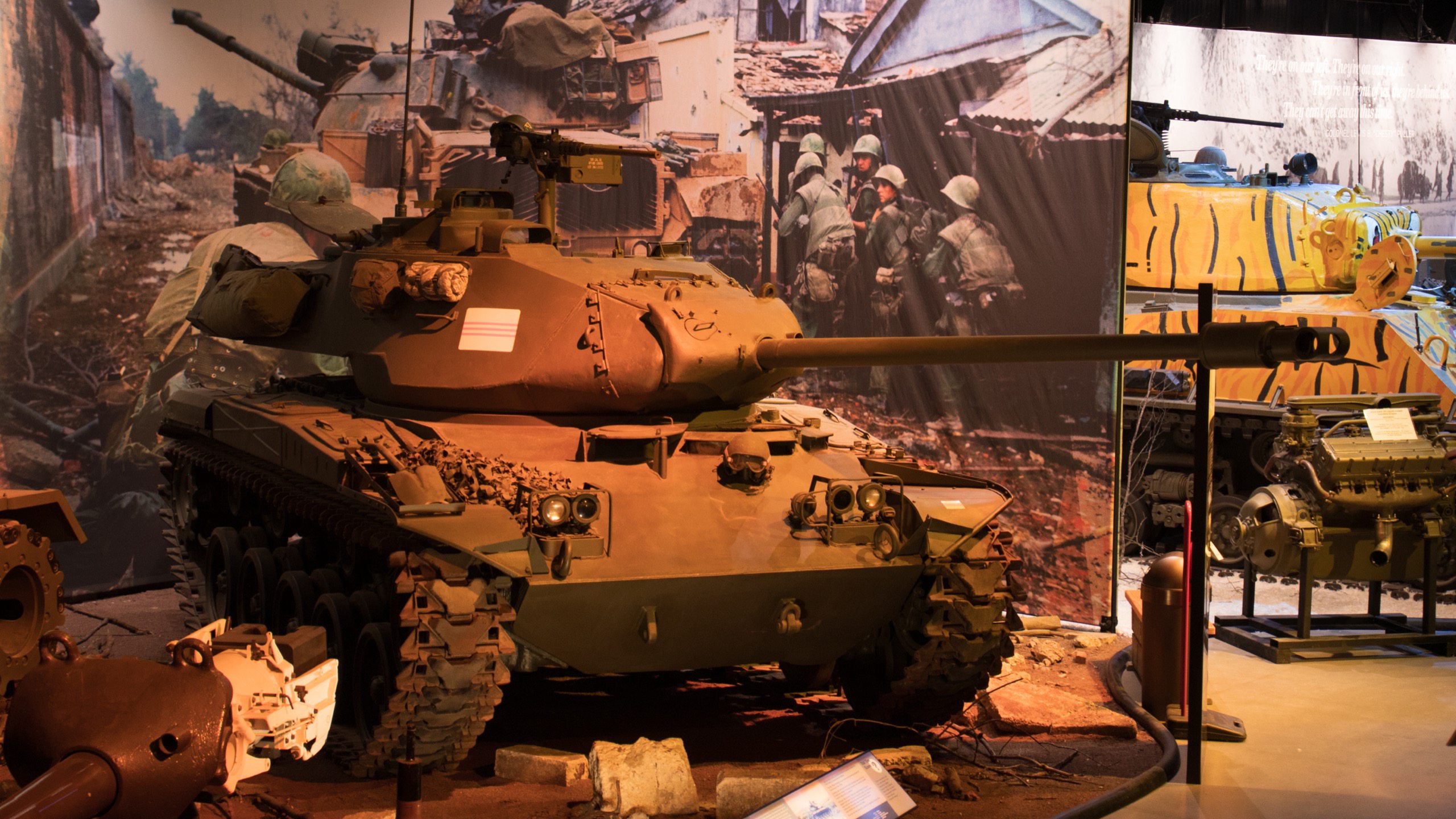
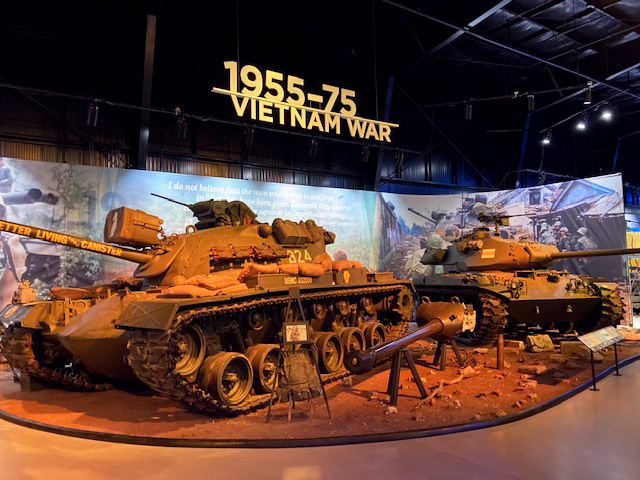
M41 Walker Bulldog
The M41 Walker Bulldog, officially 76-mm Gun Tank, M41, was an American light tank developed for armed reconnaissance purposes. It was produced by Cadillac…
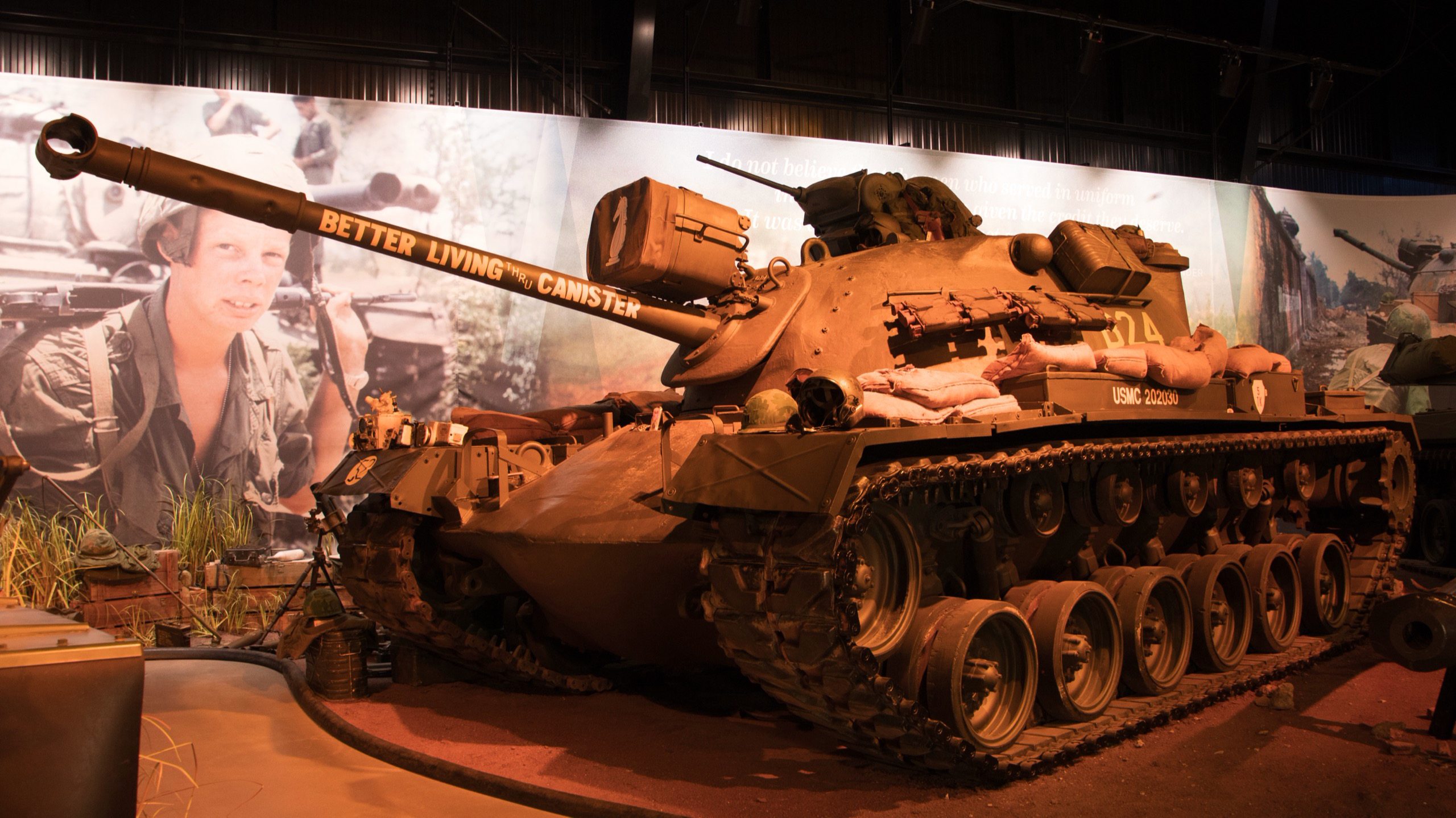
M48A3 Patton
The M48 Patton is an American first generation main battle tank (MBT) introduced in February 1951, being designated as the 90mm Gun Tank: M48….