
Galleries
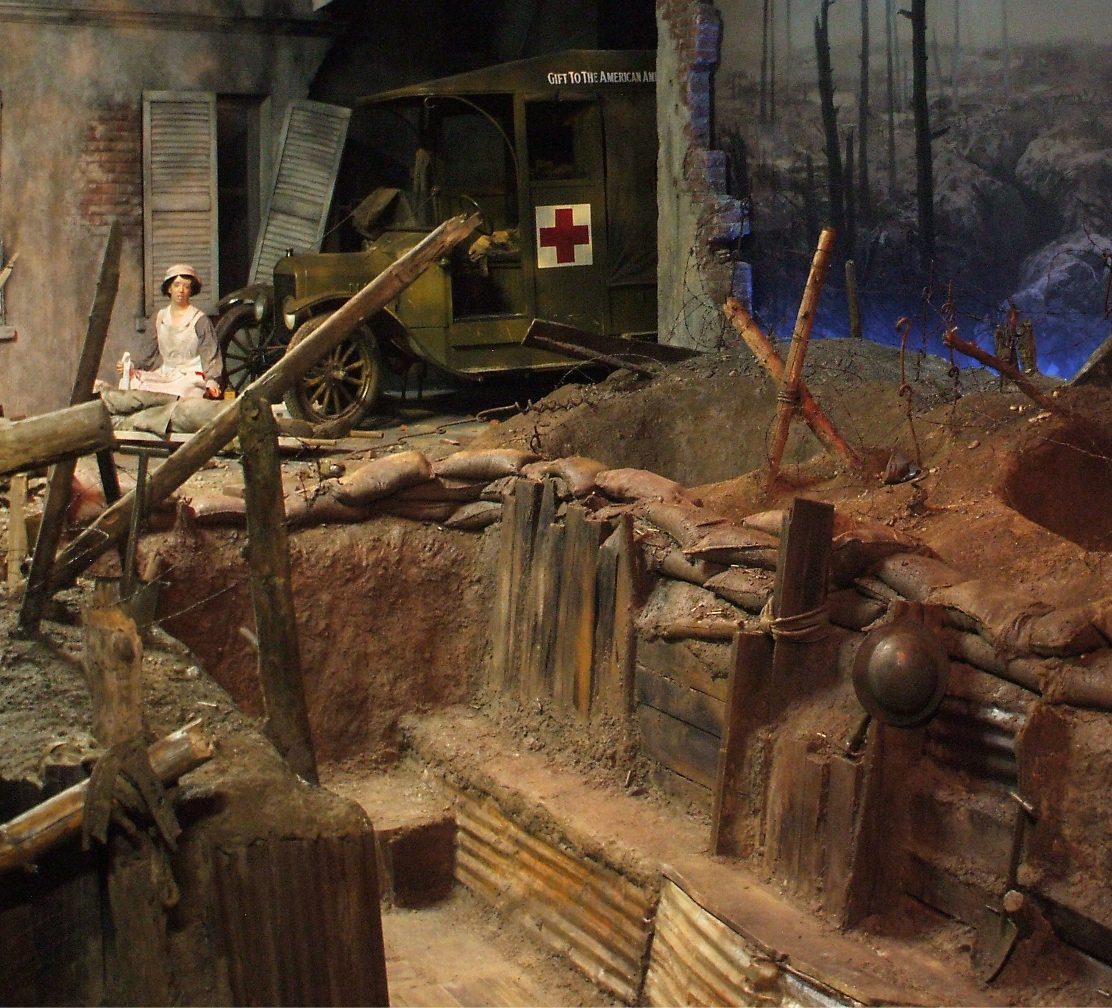
WWI- Trench Experience
World War I began in 1914 after a series of disputes culminated in Gavrilo Princip’s assassination of Austro-Hungarian Archduke Franz Ferdinand. Austria attacked Serbia, supported by Germany. Russia supported Serbia against Austria and Germany, which next attacked Russia’s ally France, invading through Belgium. Britain declared war on Germany, bringing its world empire into the fight. Bulgaria and the Ottoman Empire joined the Central Powers, while Italy (1915) and the United States (1917) joined the Allied powers, which numbered 28 by the war’s end in 1918.
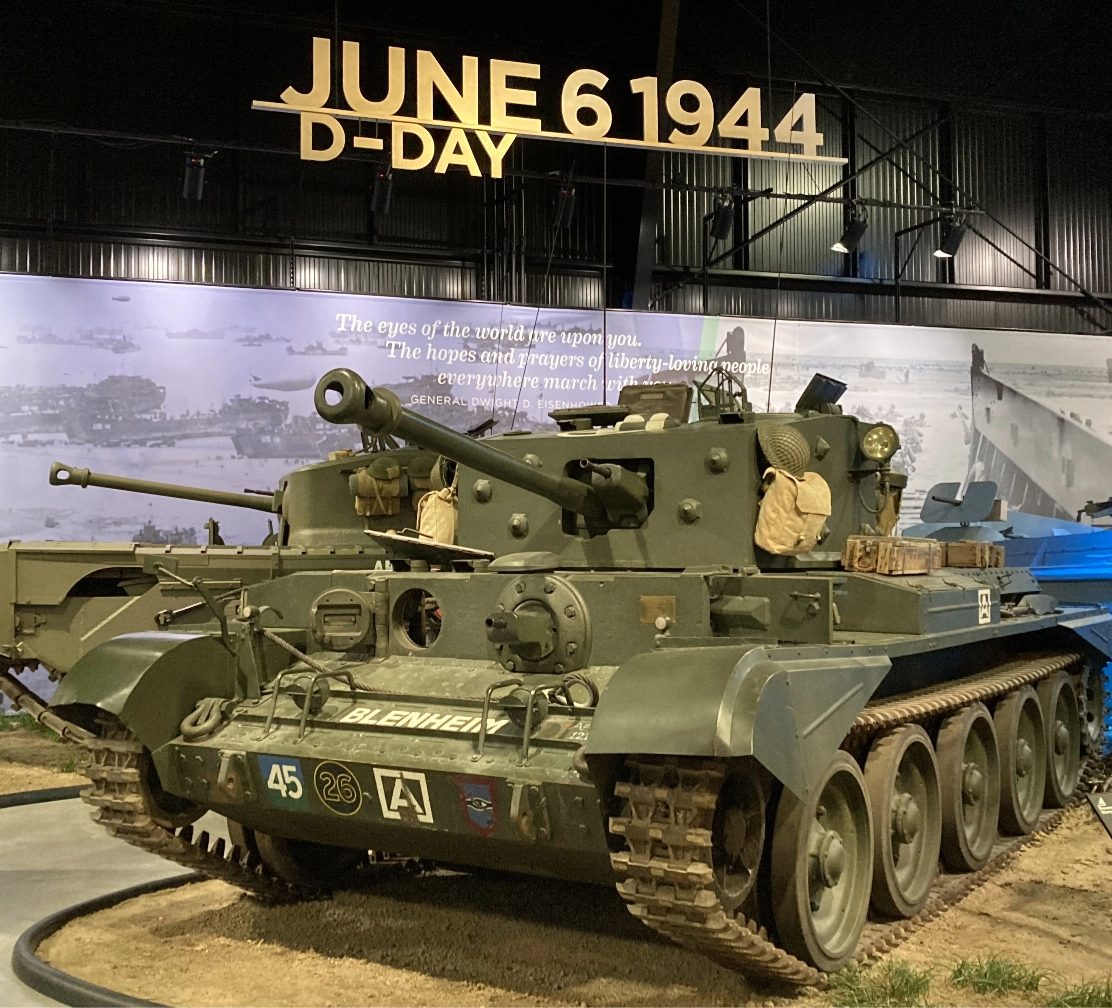
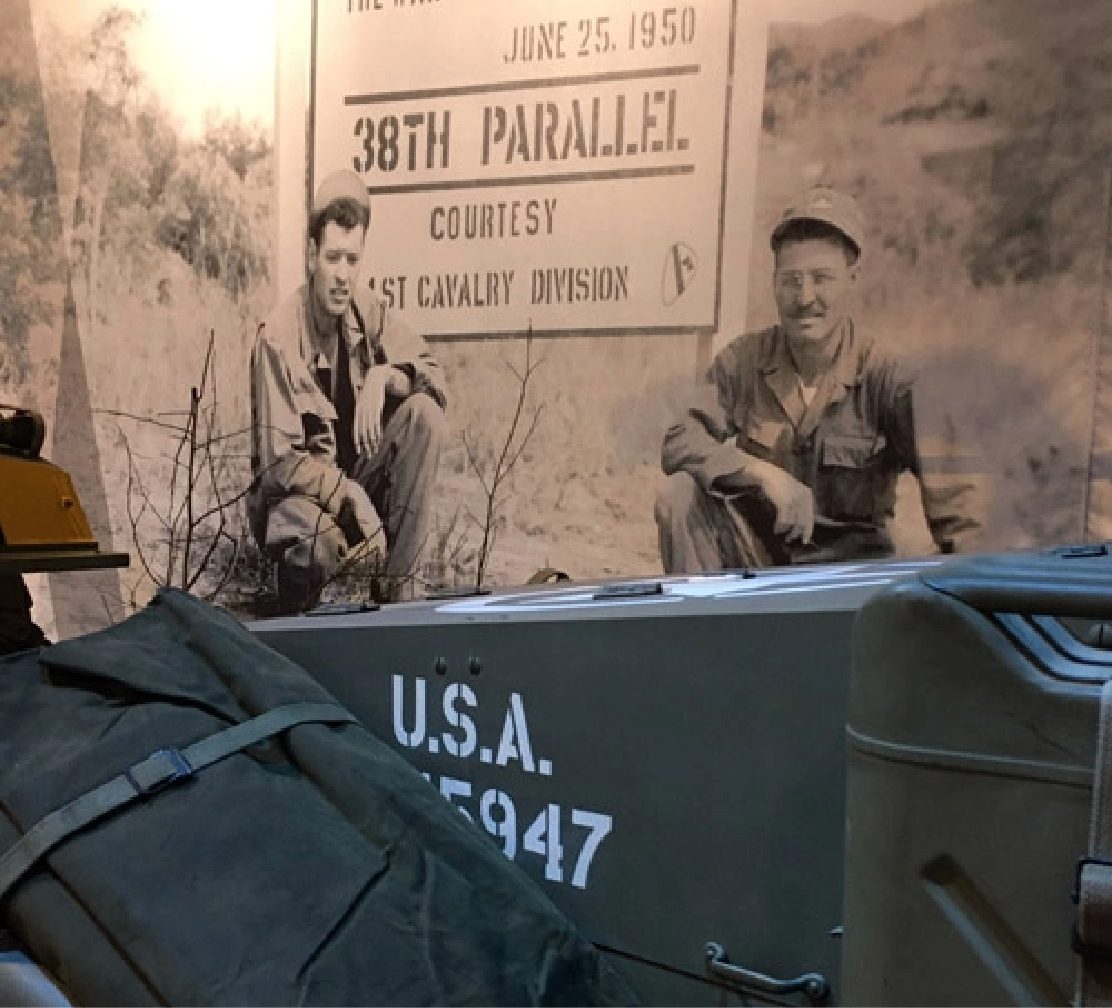
Korean War
The Korean War began on June 25, 1950, when North Korean forces invaded South Korea. This invasion marked the first military action of the Cold War. By July, American troops joined the war on South Korea’s behalf, viewing it as a fight against international communism. Despite early skirmishes, the fighting stalled, causing heavy casualties. American officials sought an armistice with North Korea, fearing a wider war with Russia and China, or even World War III.
Cold War
During World War II, the US and the USSR fought as allies against the Axis powers, but their relationship was always tense. Americans feared Soviet communism and Stalin’s tyranny, while the Soviets resented the US’s refusal to treat the USSR as a legitimate nation and its delayed entry into the war, which caused millions of Russian deaths. These grievances deepened into mutual distrust and enmity after the war.
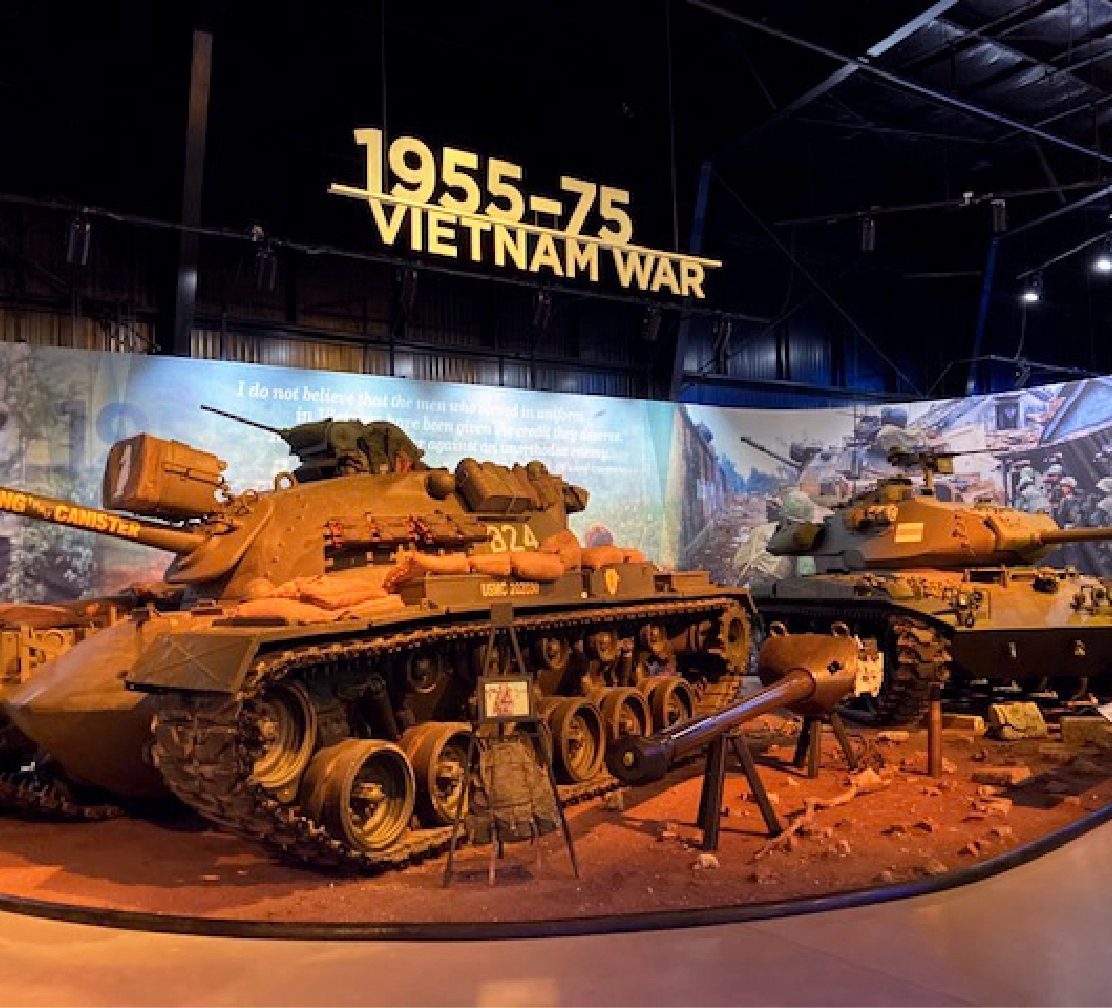
Vietnam War
The Vietnam War, also known as the Second Indochina War or the Resistance War Against America in Vietnam, was a prolonged and costly conflict between North Vietnam and South Vietnam, with the United States as its principal ally. Intensified by the Cold War, over 3 million people, including 58,000 Americans, were killed, with half being Vietnamese civilians. The war deeply divided Americans, even after President Nixon ordered the withdrawal of U.S. forces in 1973. Communist forces seized control of South Vietnam in 1975, unifying the country as the Socialist Republic of Vietnam the following year.
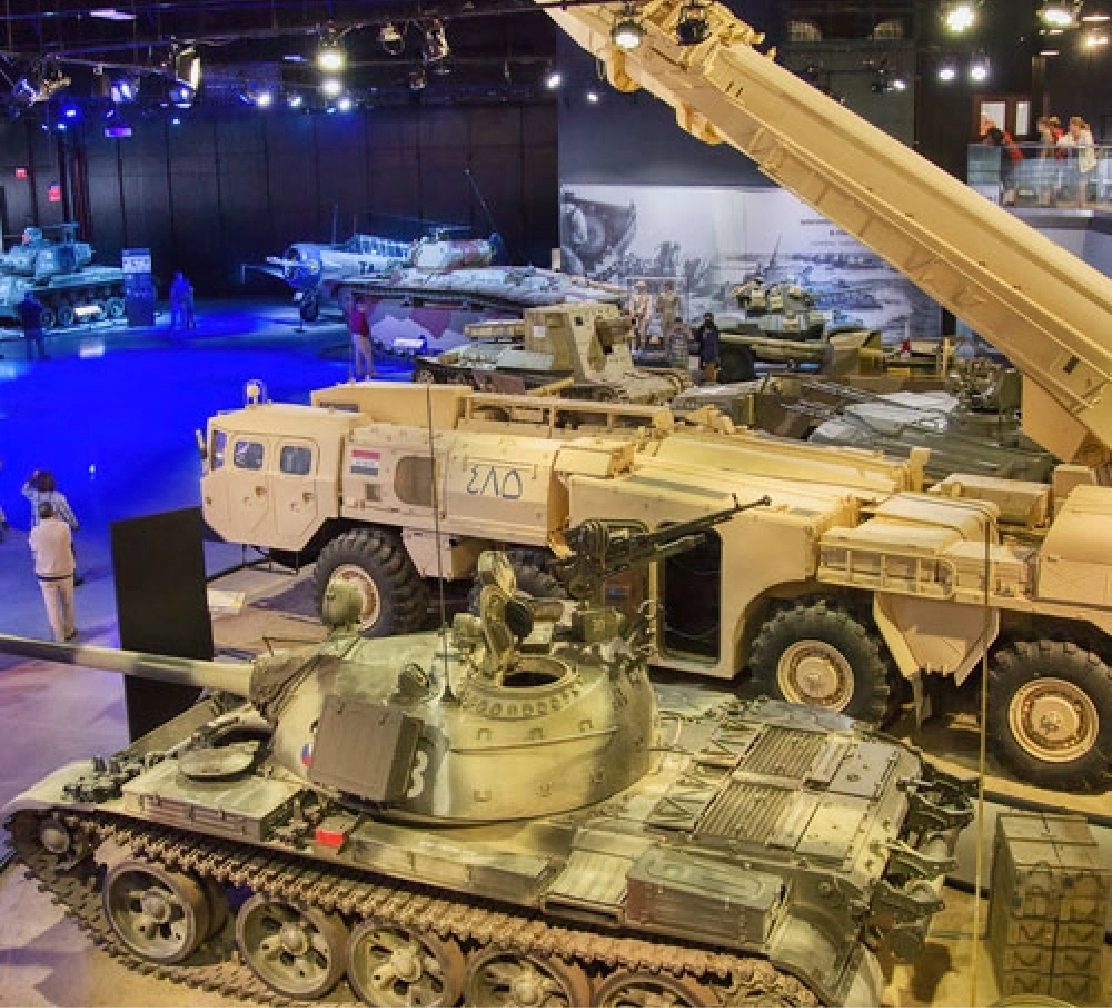
Gulf War
Despite the UN-brokered ceasefire in August 1988, Iran and Iraq hadn’t started negotiating a permanent peace treaty by mid-1990. However, prospects seemed bright when their foreign ministers met in Geneva in July, as Iraqi leader Saddam Hussein appeared willing to end the conflict and return occupied territory. Two weeks later, Hussein accused Kuwait of siphoning oil from the Ar-Rumaylah fields and demanded that Kuwait and Saudi Arabia cancel $30 billion of Iraq’s debt, accusing them of conspiring to keep oil prices low to benefit Western oil-buyers.
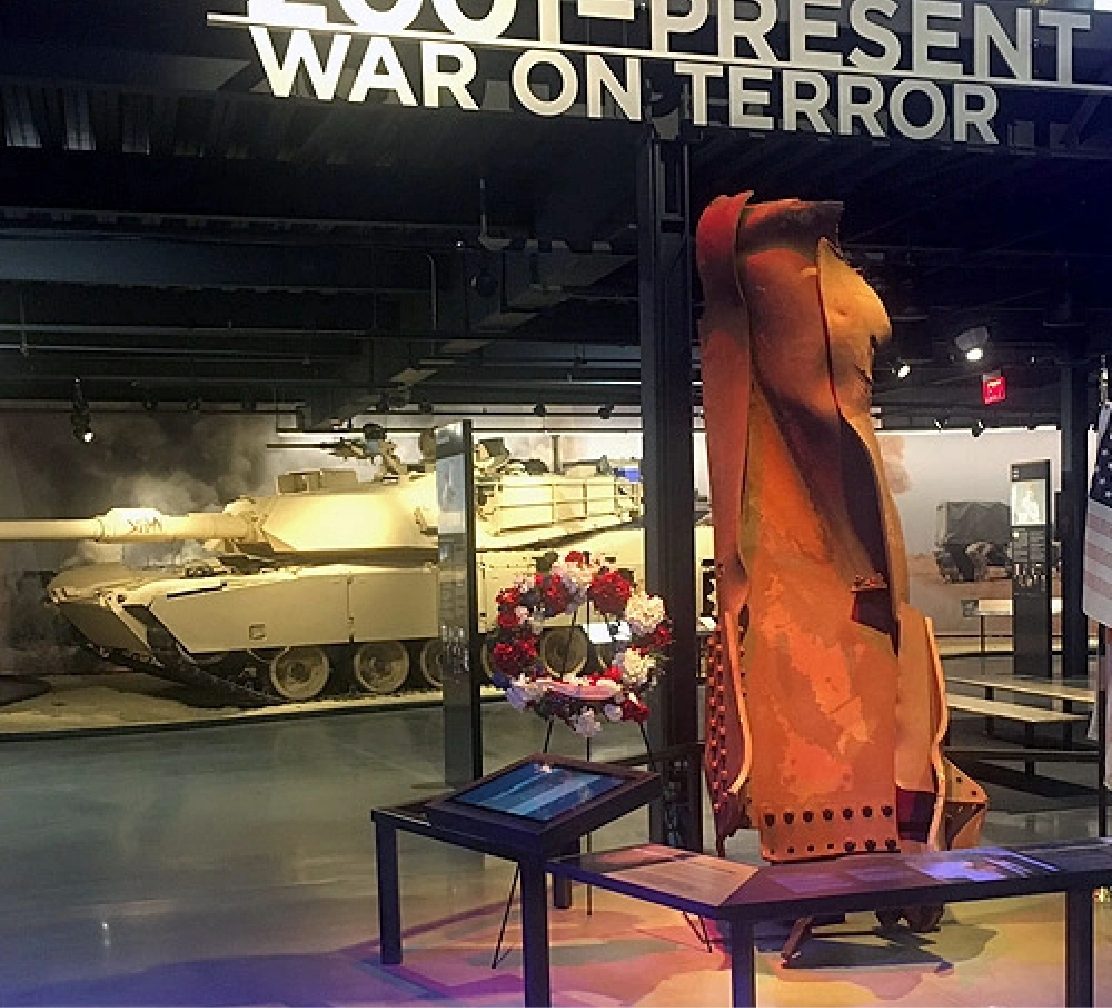
9/11 & War on Terror
The War on Terror, also known as the Global War on Terrorism, is an international military campaign launched by the US government after the September 11 attacks. In response to security concerns raised by 9/11 and the anthrax attacks, the Homeland Security Act of 2002 created the Department of Homeland Security, signed into law by President George W. Bush on November 25th, 2002. Today, the Department of Homeland Security is a cabinet responsible for preventing terror attacks, border security, immigration and customs, and disaster relief and prevention.