Artifacts
Consolidated PBY-5A Catalina
United States | 1941–1945 | World War II – Battle of the Atlantic
| General Information | |
|---|---|
| Model | PBY-5A Catalina |
| Class | Aircraft |
| Type | Patrol |
| Use | Military |
| Era | 1940-1945 |
| Gallery Focus | WWII European Theater |
| Manufacturer | Consolidated |
| Year | 1941 |
| Country | United States |
| Ownership | CF Inc. |
| Gallery Location | N/A |
| Status | Restoration |
Additional Photos
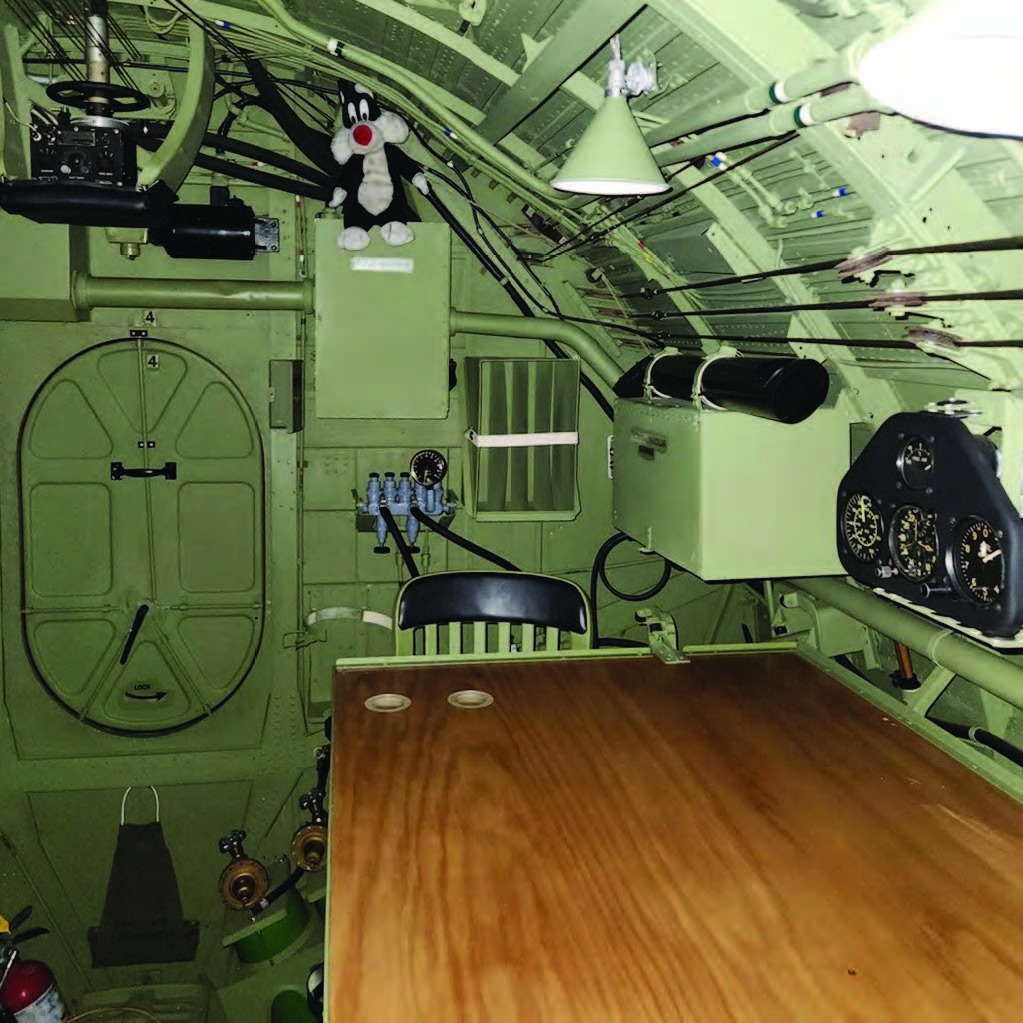
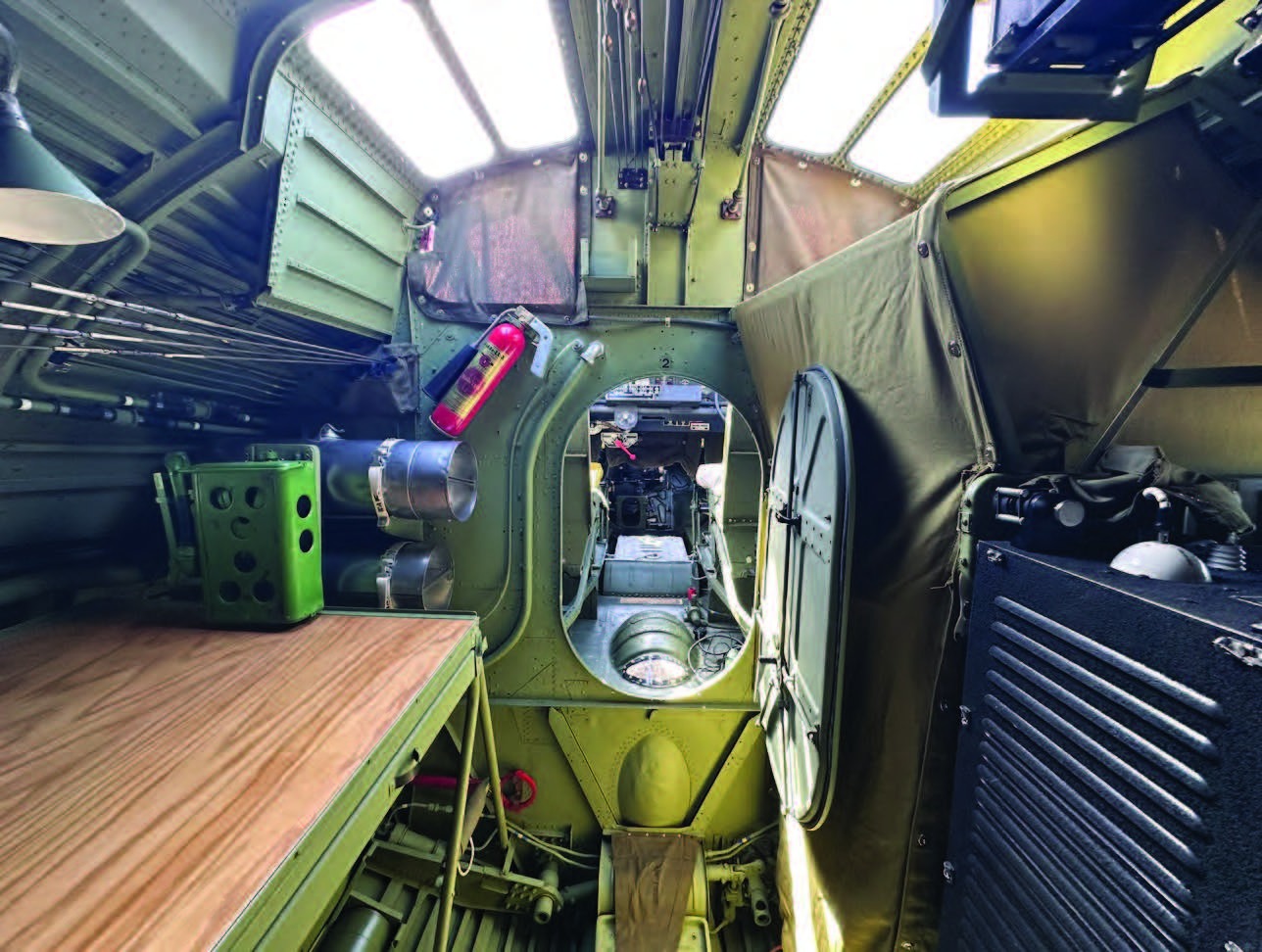
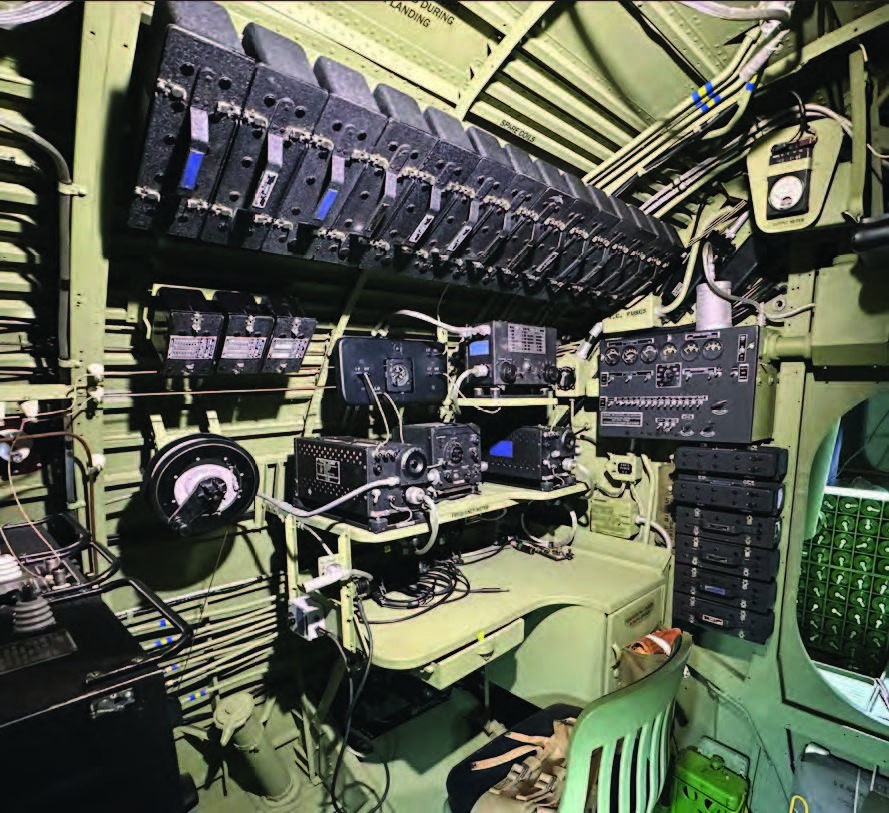
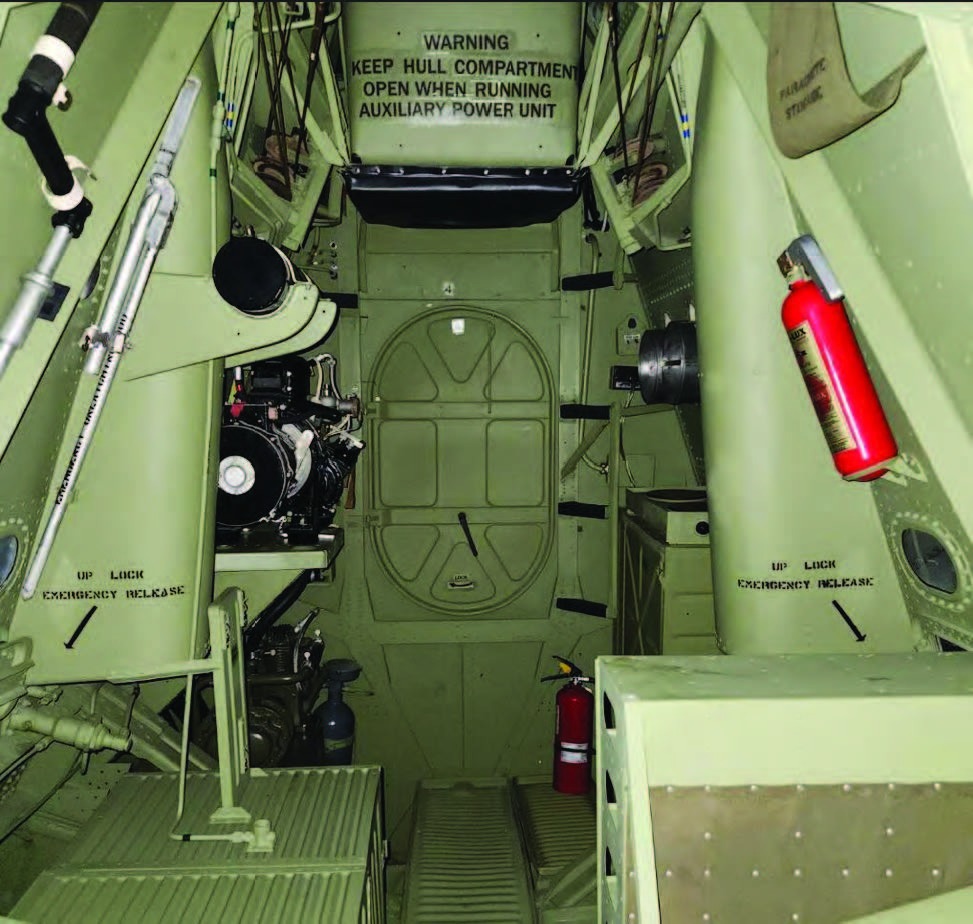
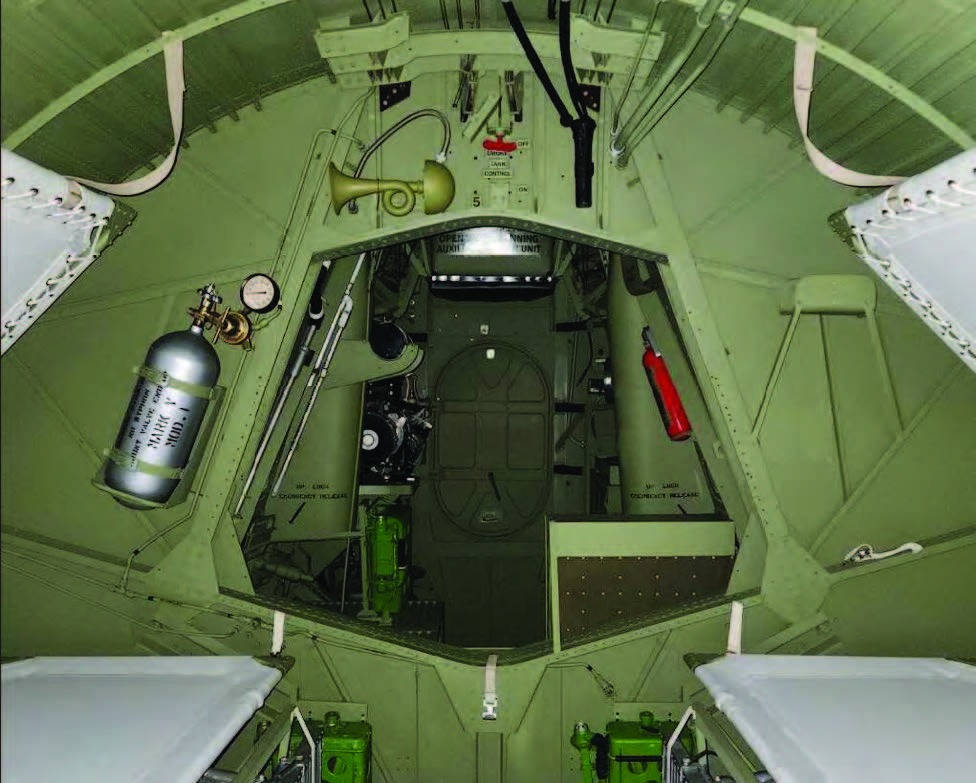
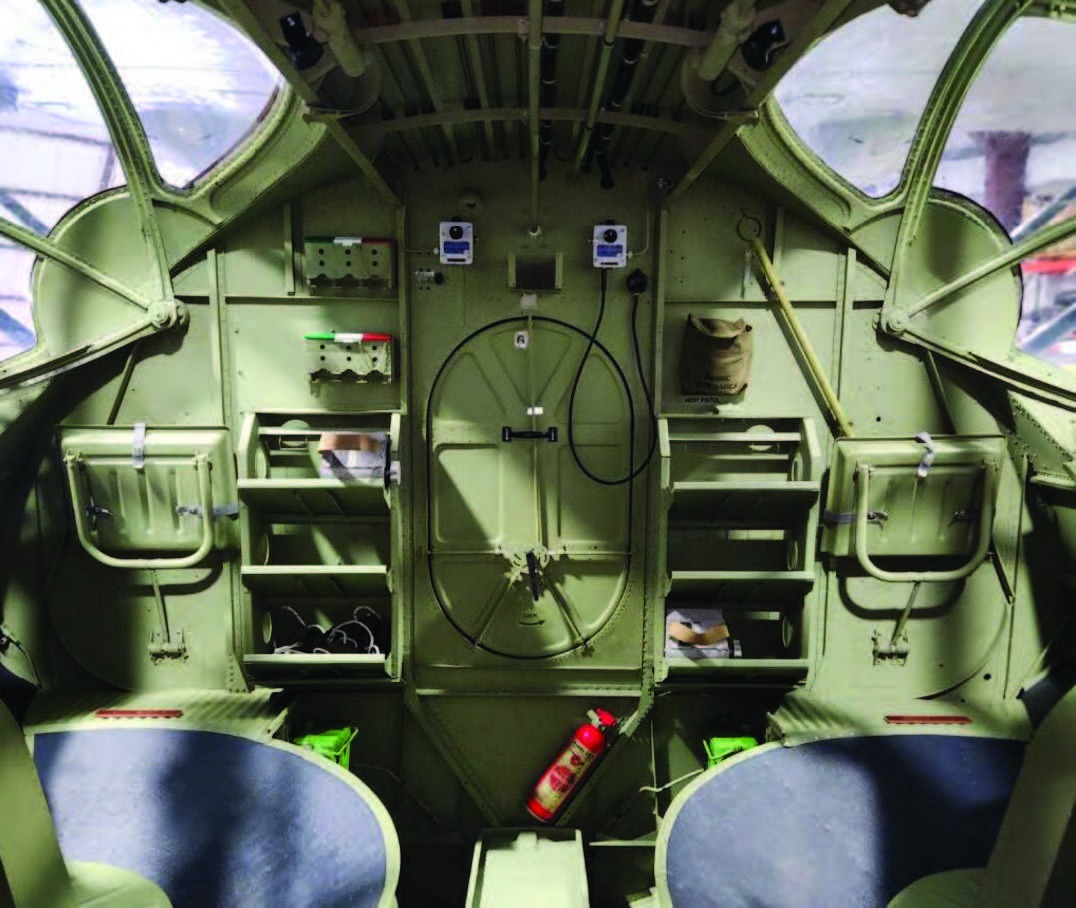
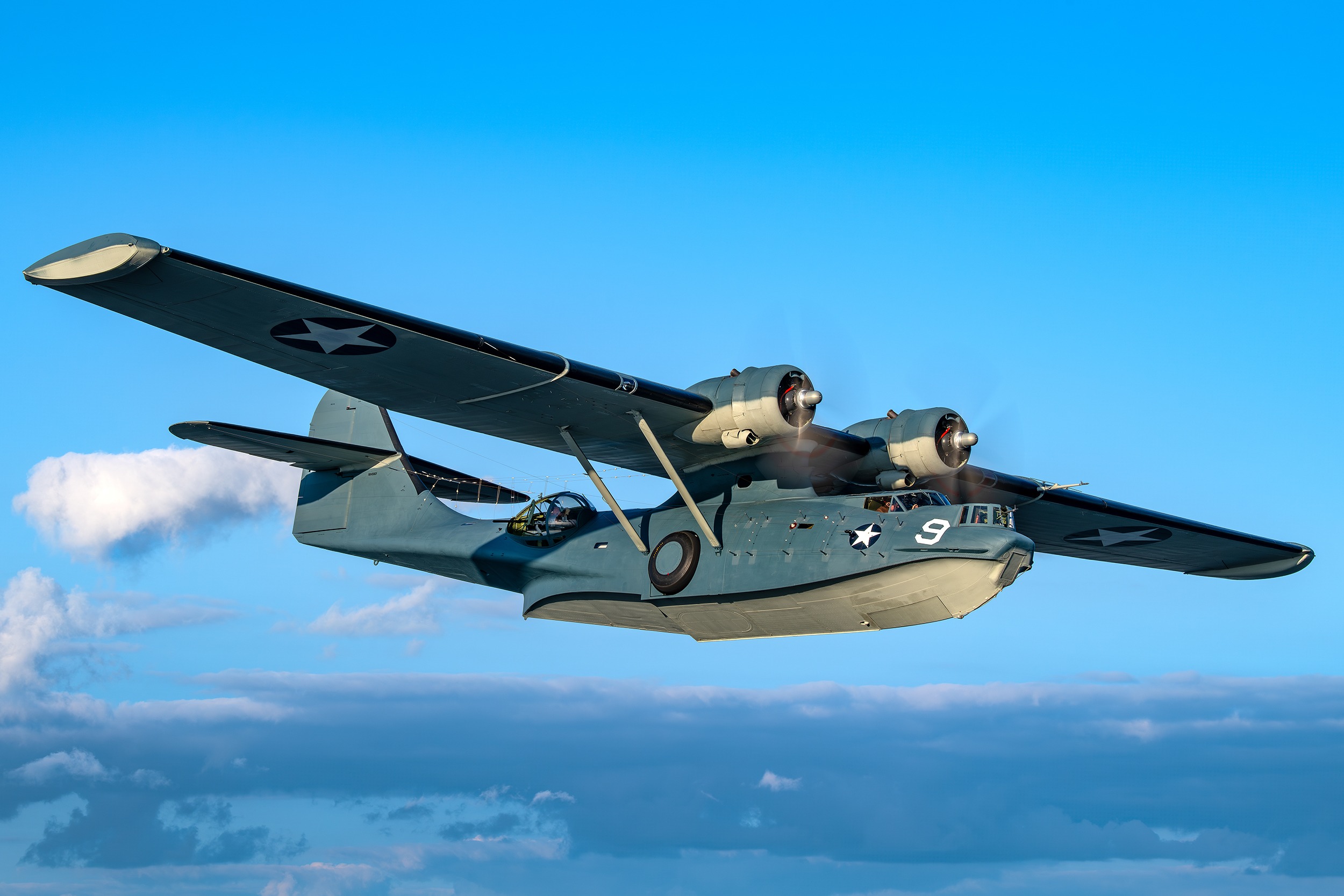
The Consolidated PBY Catalina was one of the most important maritime patrol aircraft of World War II, helping protect Allied shipping against Germany’s devastating U-boat campaign in the Battle of the Atlantic. With its extraordinary endurance, long range, and ability to operate from water, the Catalina became an indispensable weapon in the struggle to keep vital supply routes to Great Britain open.
Developed during the 1930s, the Catalina featured a distinctive high-mounted wing, twin Pratt & Whitney radial engines, and retractable wingtip floats. The PBY-5A introduced amphibious landing gear, allowing operations from both water and conventional airfields. Capable of remaining airborne for 15 to 20 hours, Catalinas patrolled vast stretches of ocean, escorting convoys, hunting submarines, and rescuing downed airmen and stranded sailors.
The American Heritage Museum’s PBY-5A Catalina, Bureau Number 2459, is among the most historically significant surviving American combat aircraft of World War II. Accepted by the U.S. Navy on December 22, 1941, it was the fourth amphibious Catalina delivered to the service. Assigned to Patrol Squadron 73 (VP-73) in Iceland, the aircraft began protecting Allied convoys crossing the dangerous North Atlantic.
On August 20, 1942, Lieutenant R. B. Hopgood and his crew attacked German submarine U-464 with depth charges, inflicting damage that forced its crew to abandon and scuttle the vessel. After confirming the submarine’s destruction and the rescue of its crew by a nearby fishing vessel, Hopgood transmitted his now-famous message: “Sunk sub, open club!”
On October 5, 1942, while protecting Convoy HX-209, the Catalina’s crew, commanded by Chief Aviation Pilot M. Luke, located and sank U-582, which was preparing to participate in a coordinated attack against Allied shipping.
Transferred to Patrol Squadron 84 (VP-84), BuNo 2459 achieved its third submarine sinking on June 24, 1943, when Lieutenant Joseph Beach’s crew attacked U-194 using the revolutionary Mark 24 “FIDO” acoustic homing torpedo. The aircraft was also credited with severely damaging U-528, which was subsequently destroyed by British forces. Across 195 combat missions and more than 1,675 flying hours, BuNo 2459 became the highest-scoring Allied anti-submarine aircraft of World War II.
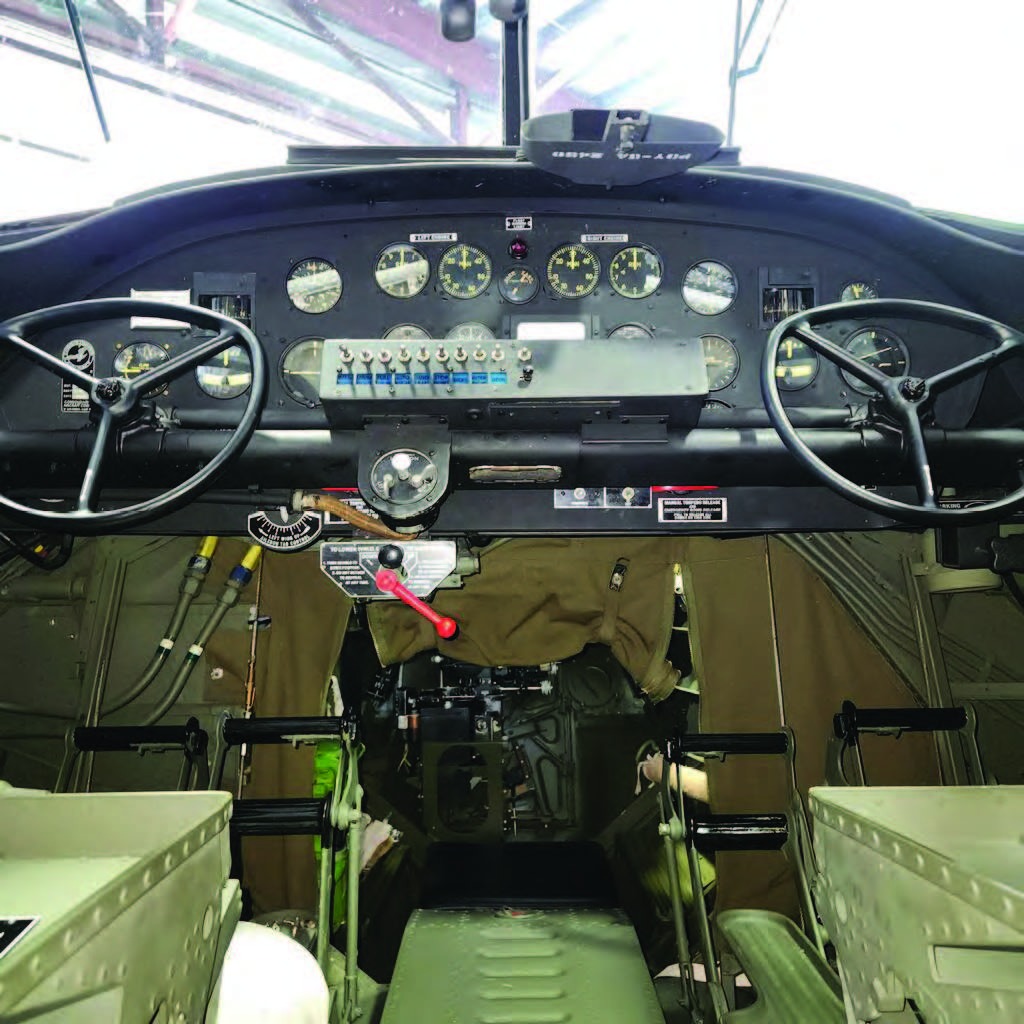
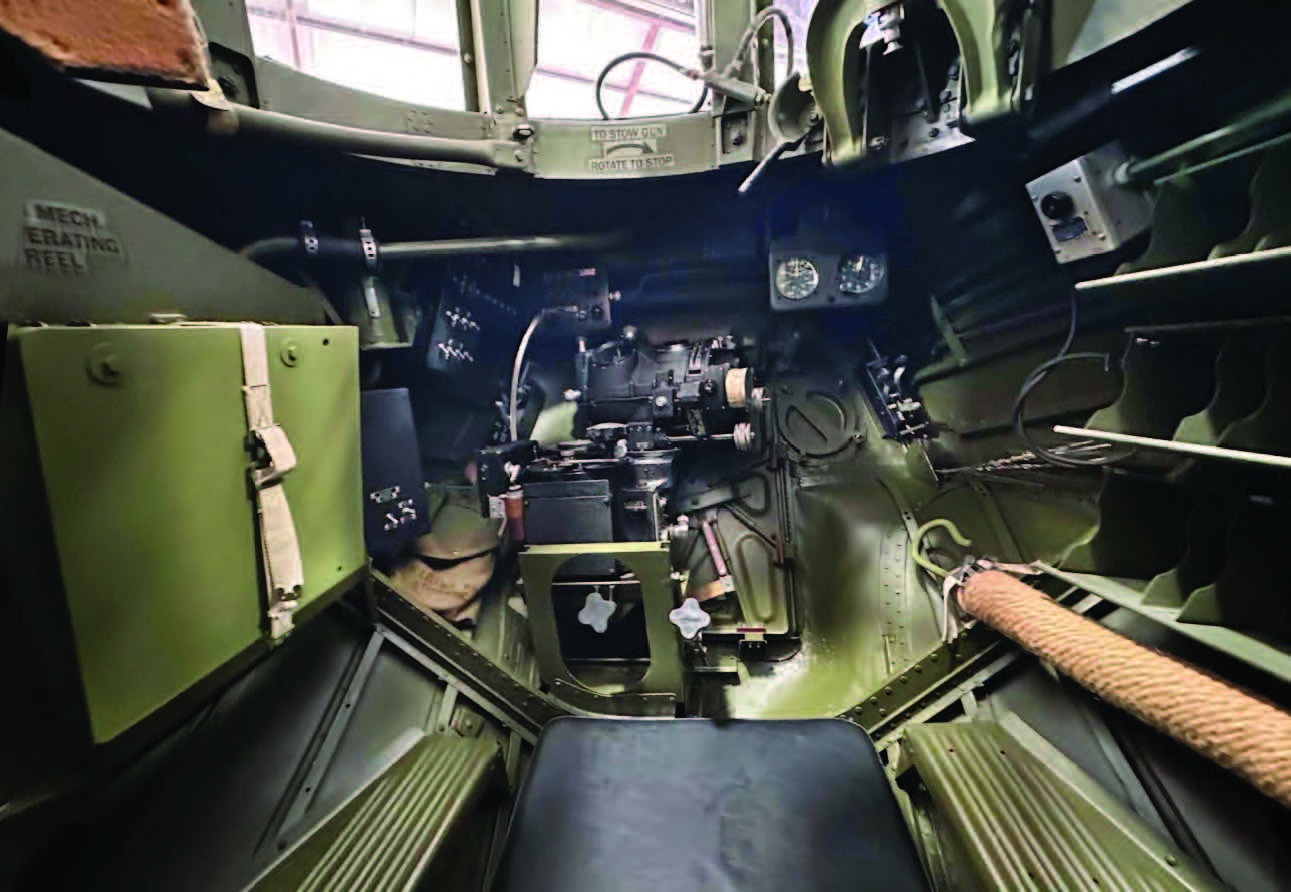
Following decades of postwar civilian service, including aerial firefighting, the Catalina returned to the United States in 2019 for an extraordinary seven-year restoration at American Aero Services in New Smyrna Beach, Florida. The team meticulously recreated its original wartime configuration, including gun turrets, radar equipment, crew stations, and historically accurate 1942 markings.
On July 6, 2026, BuNo 2459 returned to flight. Just weeks later, it earned the prestigious World War II Grand Champion Warbird award at EAA AirVenture Oshkosh 2026. The restoration team also received the coveted Snap-on Golden Wrench Award for outstanding craftsmanship.
Today, this exceptional survivor honors the courage of the aircrews who defended the Atlantic lifeline and preserves one of the greatest achievements in American naval aviation history.
Exhibit Location: The Catalina is temporarily displayed in the Eagle Hangar of the EAA Aviation Museum in Oshkosh, Wisconsin, through August 2027. It is intended for eventual permanent exhibition in the American Heritage Museum’s planned Aviation Wing expansion.