Artifacts
Vickers-Armstrongs Light Tank Mk. VIA
United Kingdom | 1936–1942 | Interwar Rearmament & Early World War II
| General Information | |
|---|---|
| Model | Mk. VIA Light Tank |
| Class | Armor |
| Type | Light Tank |
| Use | Military |
| Era | 1936-1939 |
| Gallery Focus | Prelude to WWII – Europe |
| Manufacturer | Vickers-Armstrongs |
| Year | 1936 |
| Country | United Kingdom |
| Ownership | CF Inc. |
| Gallery Location | War Clouds |
| Status | Operational, Offline |
Additional Photos
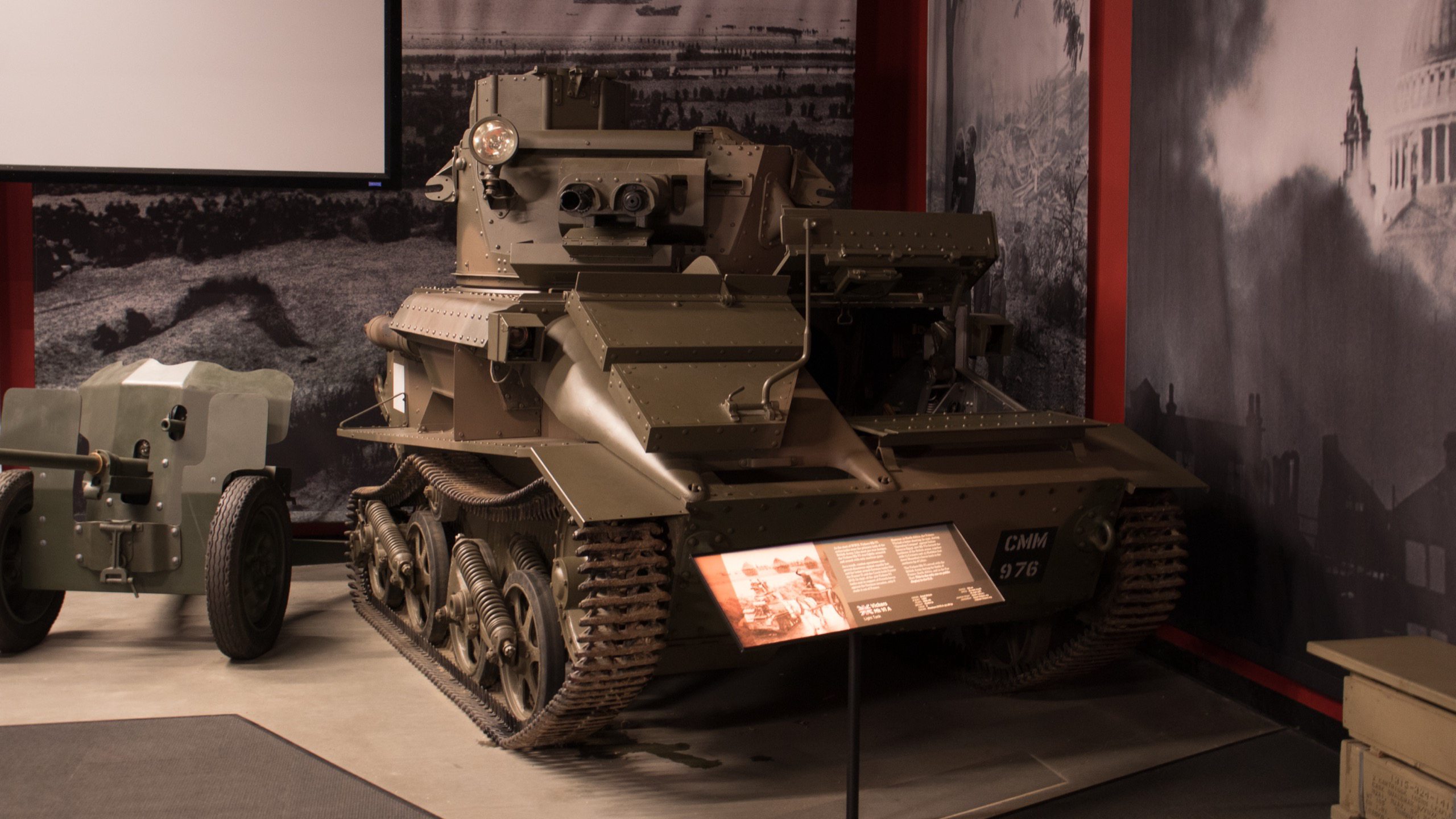
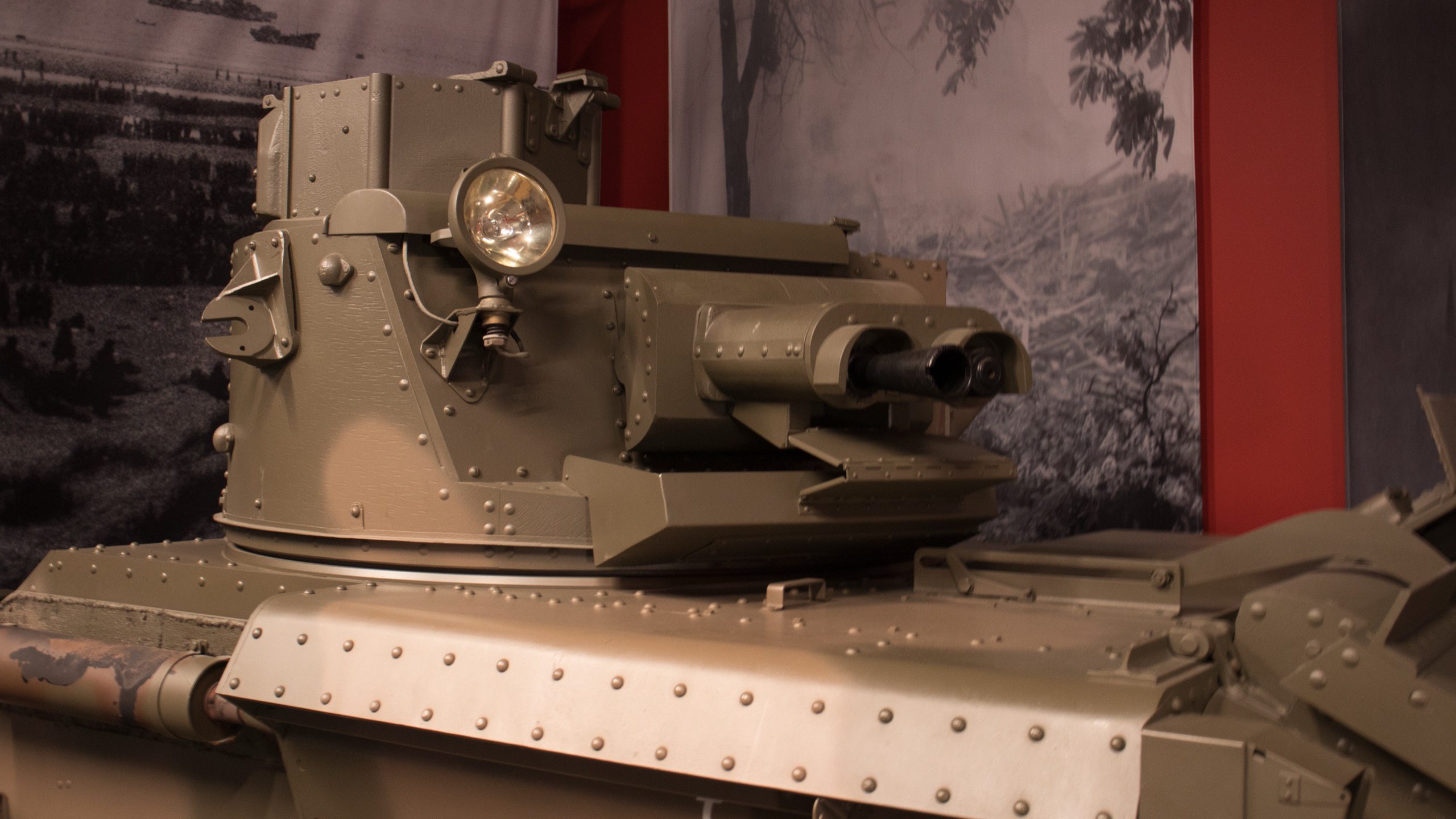
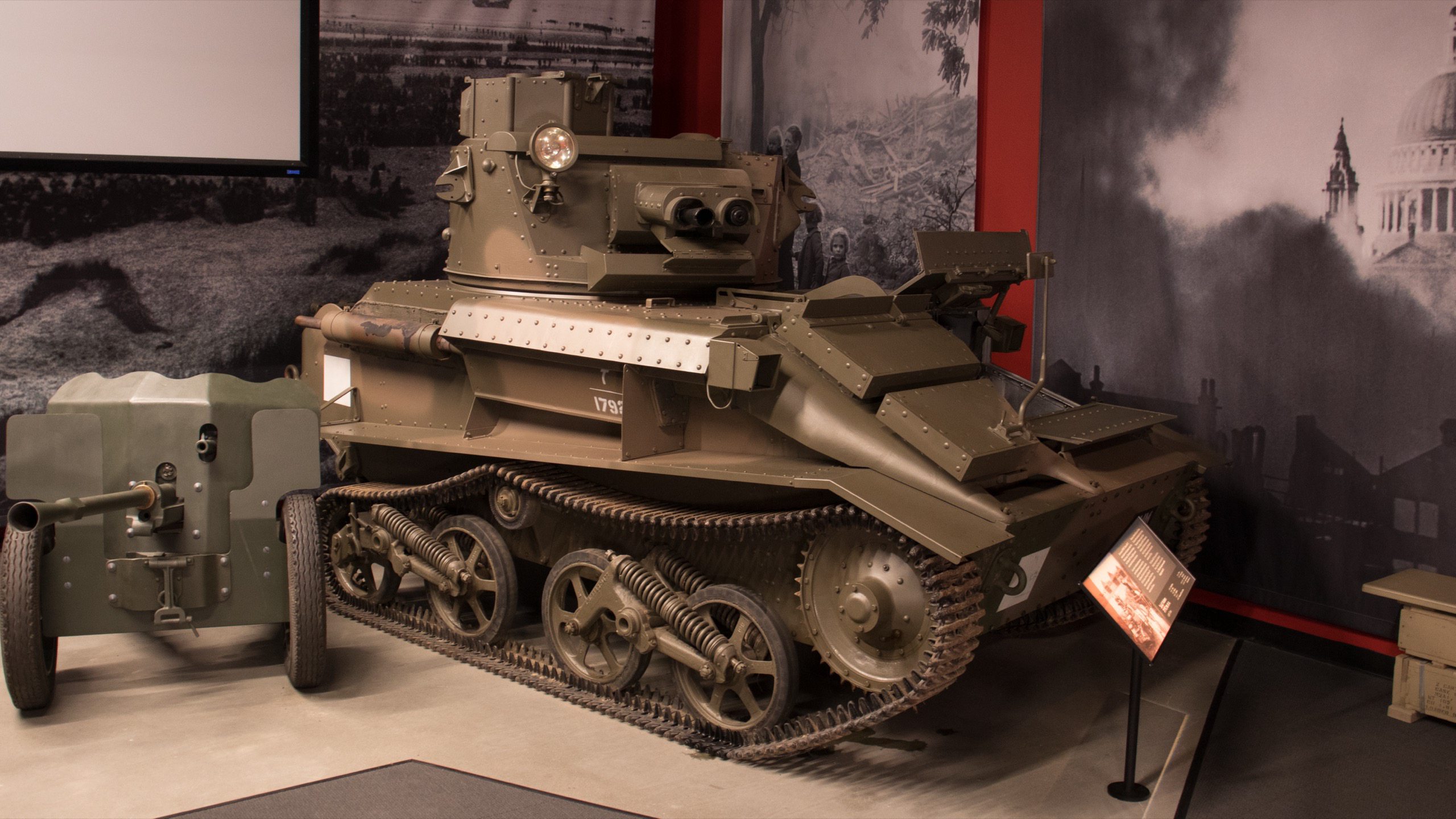
The Vickers-Armstrongs Light Tank Mk. VI was one of the most widely used British tanks at the outbreak of World War II, representing both the advances and limitations of armored warfare during the interwar period. Developed primarily for reconnaissance, patrol duties, and colonial service, the Mk. VI was fast and maneuverable but lacked the armor protection and firepower necessary to confront increasingly powerful German tanks.
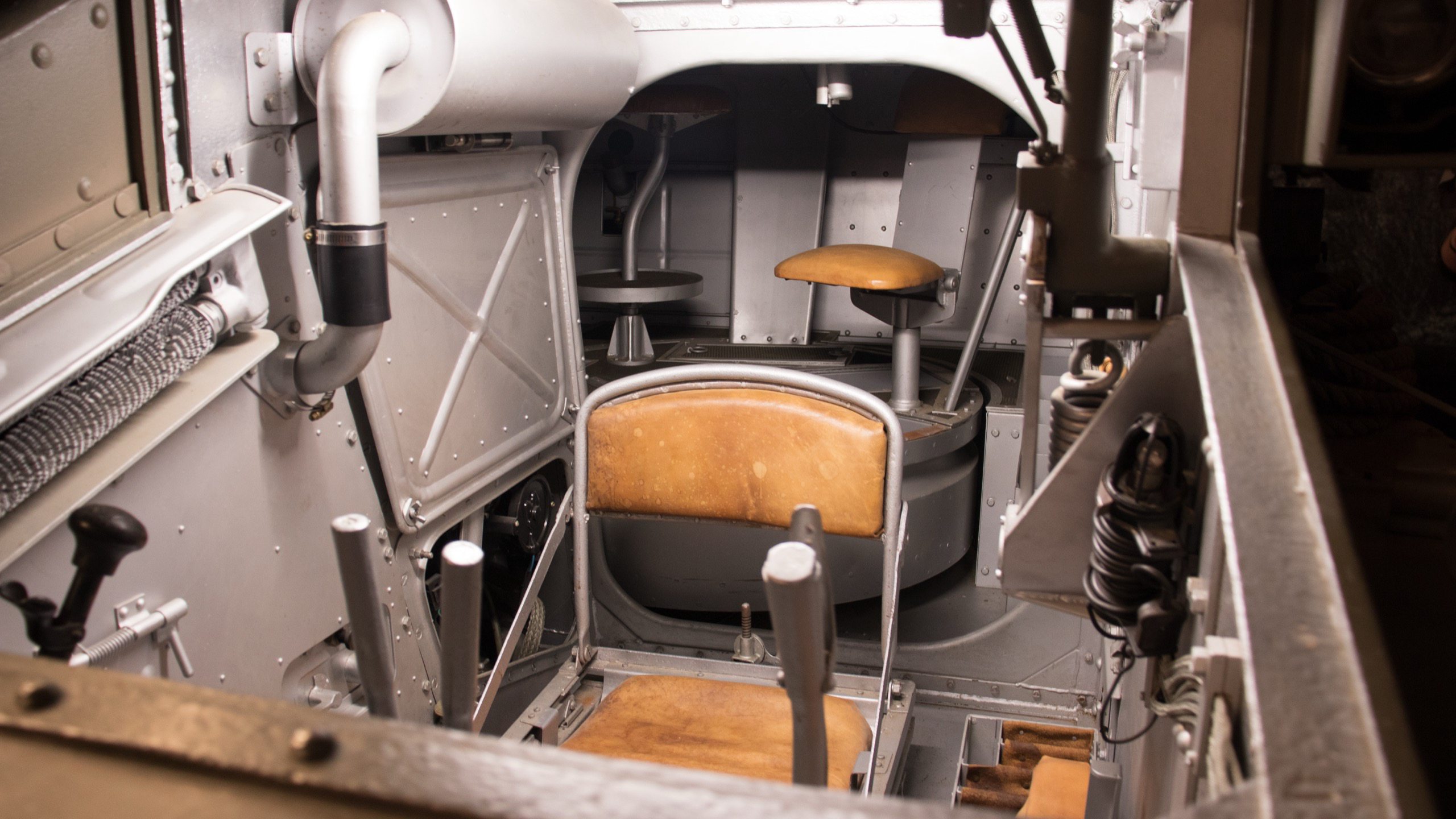
Introduced in 1936, the Mk. VI was the culmination of a series of British light tanks developed by Vickers-Armstrongs during the 1930s. Weighing approximately five tons, the vehicle carried a three-man crew consisting of a commander, gunner, and driver. Its 88-horsepower Meadows six-cylinder gasoline engine provided a maximum road speed of approximately 35 mph, making it well suited for scouting and reconnaissance operations.
Unlike heavier tanks equipped with cannons, the Mk. VIA carried two turret-mounted Vickers machine guns: a .50-caliber heavy machine gun and a .303-caliber machine gun. Its armor ranged from just 4mm to 14mm in thickness, providing protection against small-arms fire but leaving the crew dangerously exposed to artillery, anti-tank weapons, and enemy tank guns.
When Britain entered World War II in September 1939, approximately 1,000 Mk. VI light tanks were in its inventory, substantially outnumbering its available cruiser and infantry tanks. During the German invasion of France in May 1940, the Mk. VI formed a significant portion of the British Expeditionary Force’s armored strength. However, its thin armor and machine-gun armament proved inadequate against German tanks and anti-tank defenses. British forces lost approximately 331 Mk. VI tanks during the campaign.
The Mk. VI continued serving in North Africa, where approximately 200 British light tanks participated in the opening stages of Operation Compass in December 1940. Serving alongside cruiser tanks and heavily armored Matilda infantry tanks, the Vickers proved useful for reconnaissance, screening, and pursuing retreating Italian forces. Additional examples saw service in Greece, Crete, and Southeast Asia before the type was progressively replaced by more capable vehicles.
The example displayed at the American Heritage Museum is a rare Mk. VIA with a remarkable history. Museum research indicates that it was among ten tanks ordered for Australian service in 1936 and delivered in August 1937. Evidence from its engine serial number suggests that this vehicle may be Australian Army tank C272, nicknamed “Platypus,” which likely served with the 2nd Light Tank Company near Melbourne. Although its original identification plates are missing, the surviving evidence provides a compelling connection to Australia’s prewar armored forces.
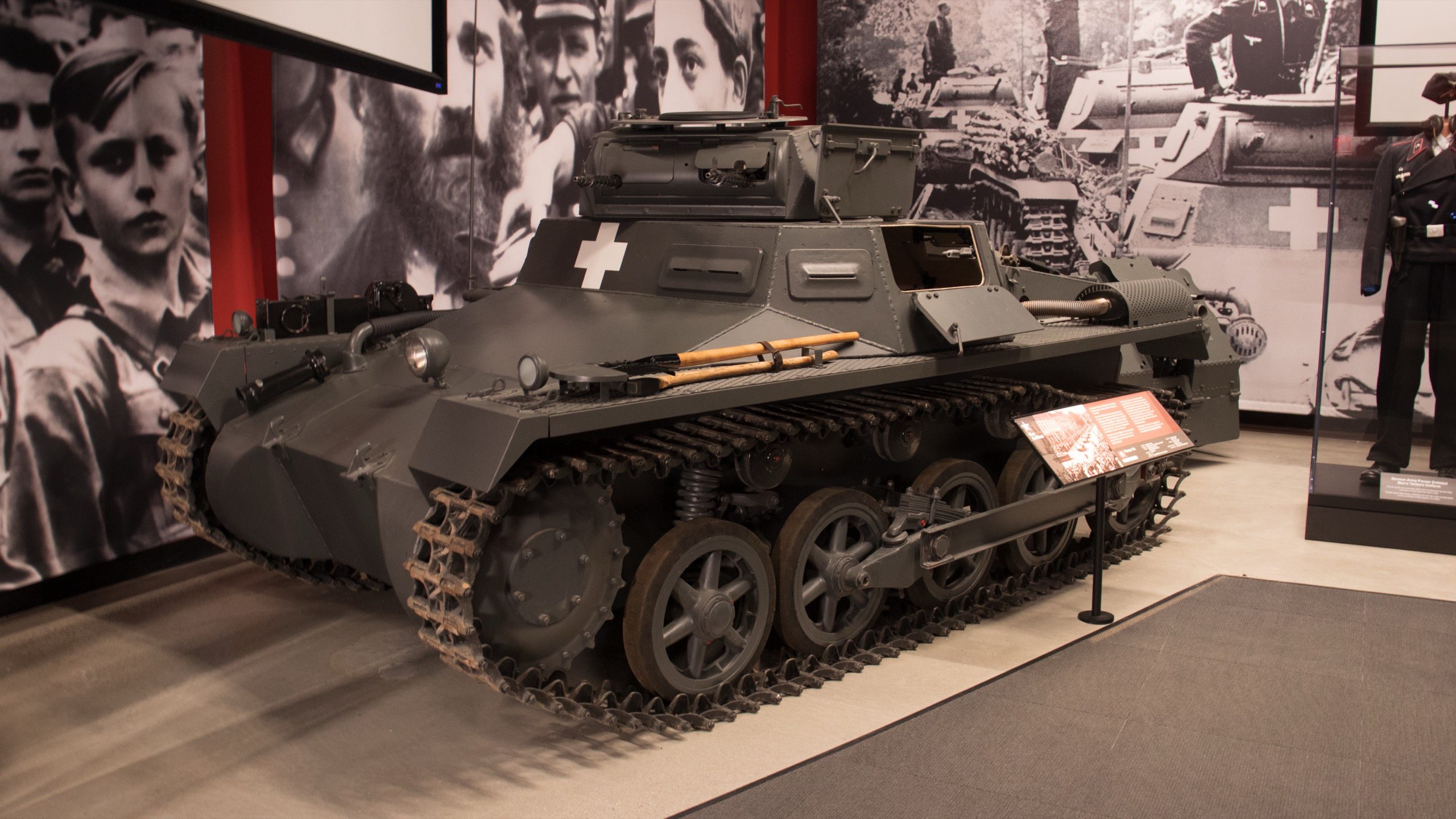
Displayed opposite a German Panzer I Ausf. A in the American Heritage Museum’s War Clouds Gallery, the Vickers Mk. VIA illustrates the technological limitations and military assumptions that shaped armored forces before World War II. Together, these early tanks demonstrate how rapidly armored warfare evolved as Europe descended into global conflict.