Artifacts
Soviet ZPU-4
Soviet Union | 1949–1975 | Vietnam War

| General Information | |
|---|---|
| Model | ZPU-4 |
| Class | Artillery |
| Type | Anti-Aircraft Gun |
| Use | Military |
| Era | 1956-1975 |
| Gallery Focus | Vietnam War |
| Manufacturer | Degtyaryov Plant / ZiD |
| Year | 1956 |
| Country | Soviet Union |
| Ownership | CF Inc. |
| Gallery Location | Vietnam War |
| Status | Operational, Offline |
Additional Photos

The Soviet ZPU-4 was one of the most formidable close-range anti-aircraft weapons employed by North Vietnamese forces during the Vietnam War. Developed in the Soviet Union and introduced in 1949, this quadruple-barreled heavy machine gun system provided devastating defensive firepower against low-flying American aircraft and helicopters operating over North Vietnam.
Armed with four 14.5mm KPV heavy machine guns mounted on a rotating carriage, the ZPU-4 could produce a combined theoretical firing rate of approximately 2,400 rounds per minute. Its armor-piercing and incendiary ammunition was particularly dangerous to aircraft operating at low altitudes. With an effective anti-aircraft range of approximately 1,400 meters, the weapon could create a deadly concentration of fire against approaching aircraft.
The ZPU-4’s four-wheeled carriage allowed it to be towed into position, while its relatively compact design made concealment and rapid deployment possible. North Vietnamese forces positioned these weapons near important military installations, transportation routes, and strategic targets, often incorporating them into larger air-defense networks.
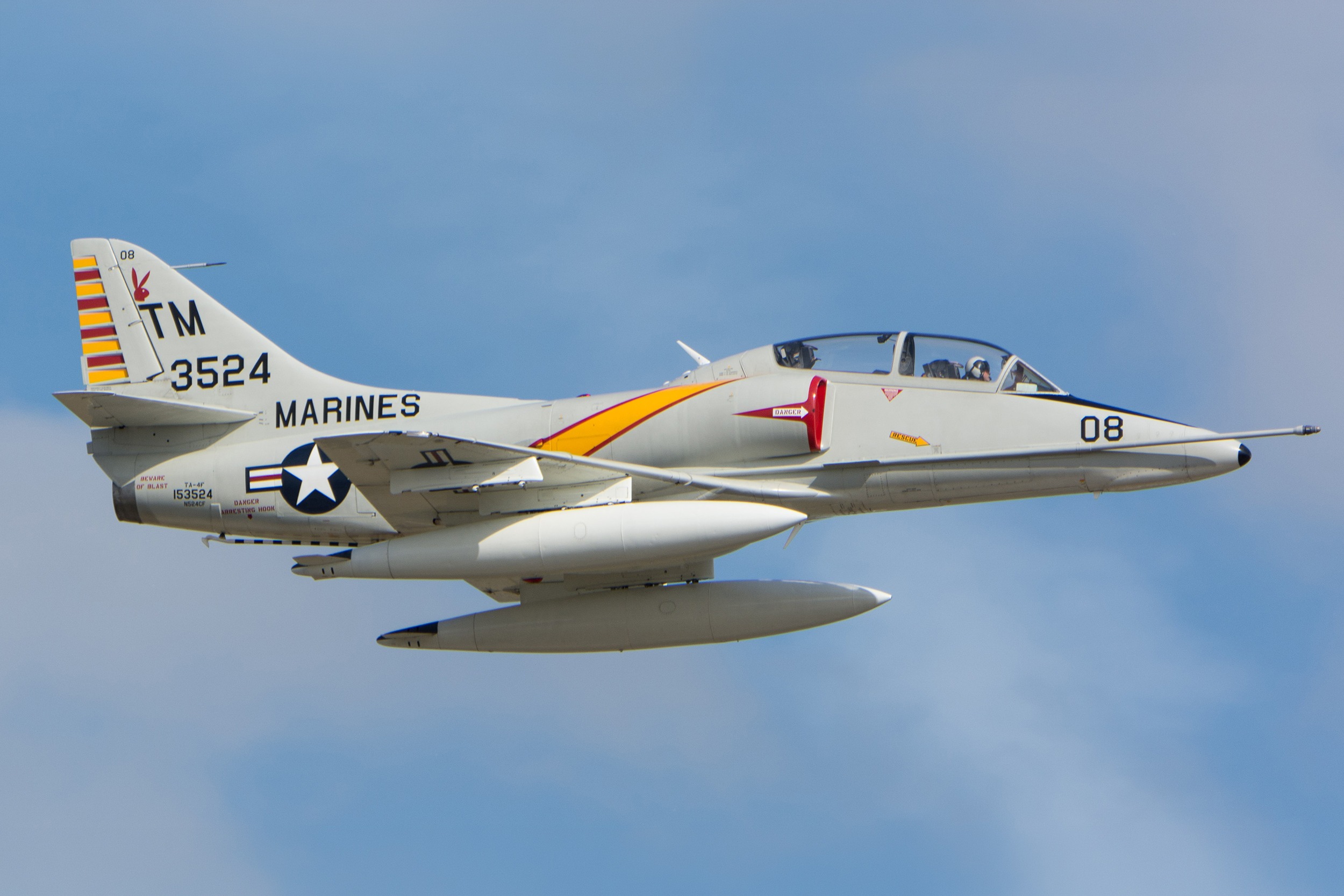
During American bombing campaigns, including Operations Rolling Thunder and Linebacker, anti-aircraft weapons such as the ZPU-4 presented a constant danger to U.S. Air Force and Navy aviators. Combined with larger anti-aircraft artillery, Soviet-built surface-to-air missiles, and interceptor aircraft, these defenses contributed to the loss of American aircraft and the capture of numerous aircrew members.
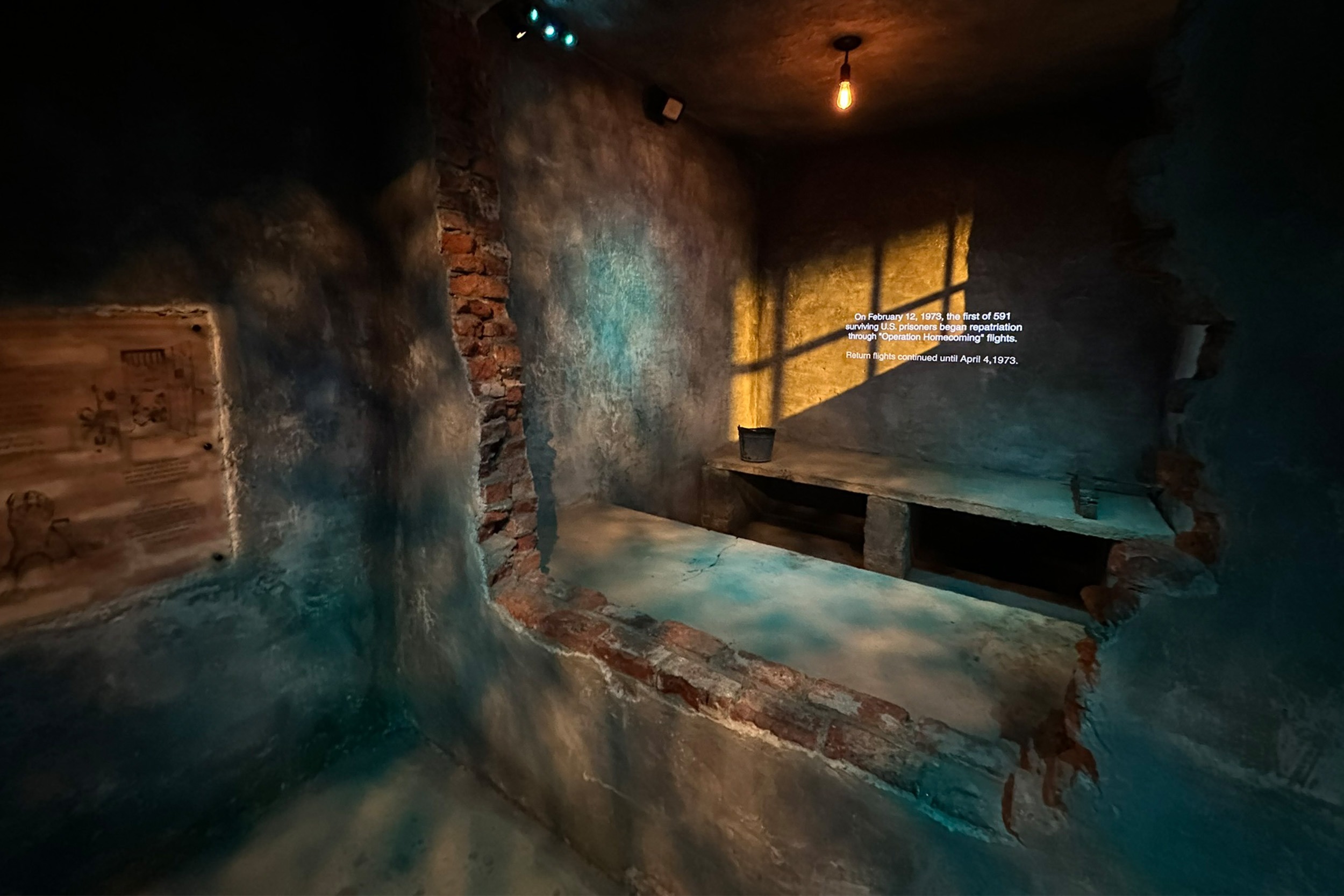
Many captured American aviators endured years of imprisonment and harsh treatment at Hỏa Lò Prison, infamously known as the “Hanoi Hilton.”
Displayed in the American Heritage Museum’s Hanoi Hilton POW Exhibit, the ZPU-4 illustrates the deadly threats encountered by American aircrews and provides important historical context for understanding the courage, sacrifice, and perseverance of those held as prisoners of war during the Vietnam War.