Artifacts
Quick-Firing QF 6-pounder 7 cwt
United Kingdom | 1942–1945 | World War II – D-Day & Normandy Campaign
| General Information | |
|---|---|
| Model | Ordnance Quick-Firing QF 6-pounder 7 cwt |
| Class | Artillery |
| Type | Anti-Tank Gun |
| Use | Military |
| Era | 1940-1945 |
| Gallery Focus | WWII European Theater |
| Manufacturer | Vickers-Armstrongs |
| Year | 1942 |
| Country | United Kingdom |
| Ownership | CF Inc. |
| Gallery Location | D-Day |
| Status | Operational, Offline |
Additional Photos
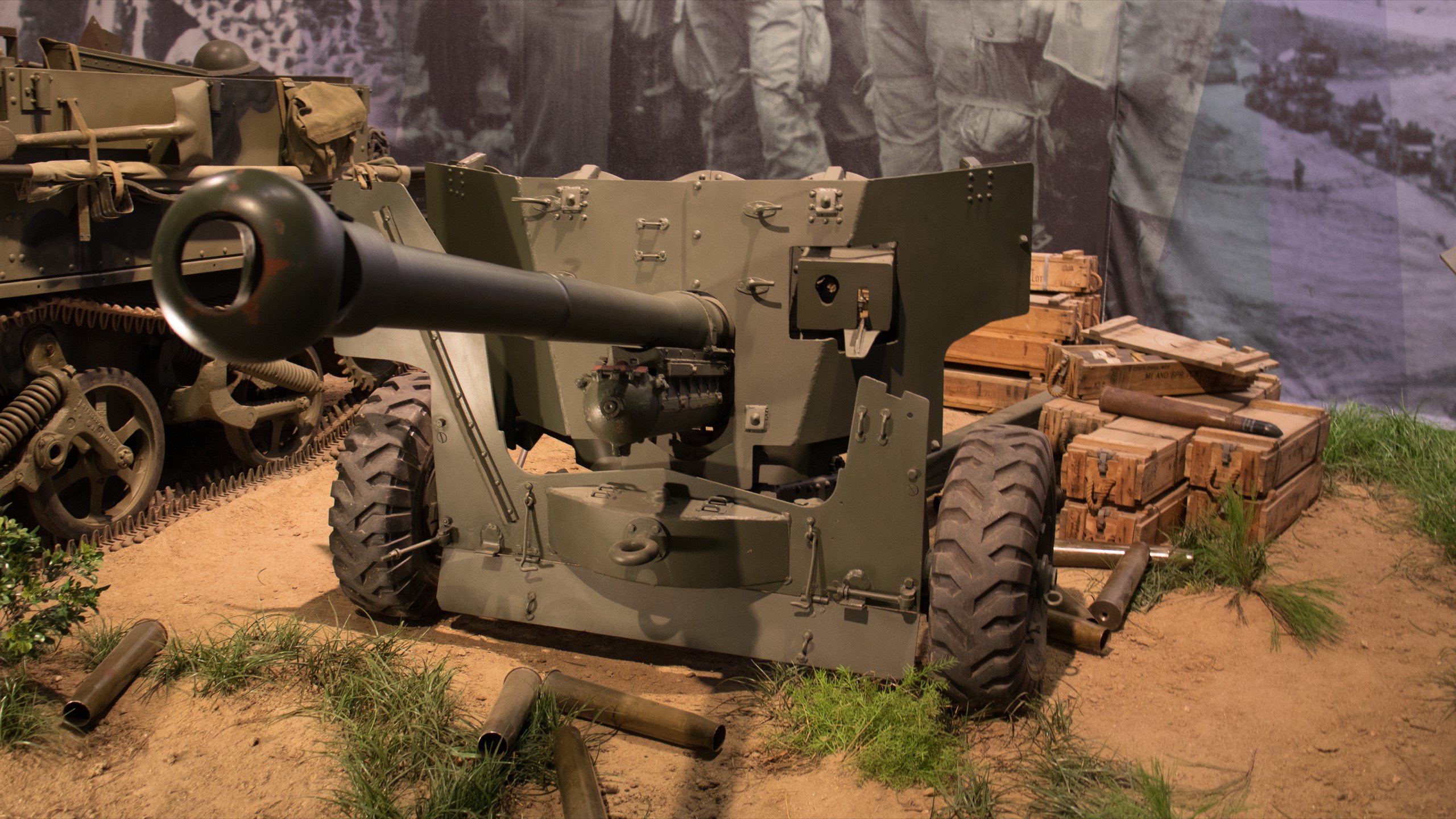
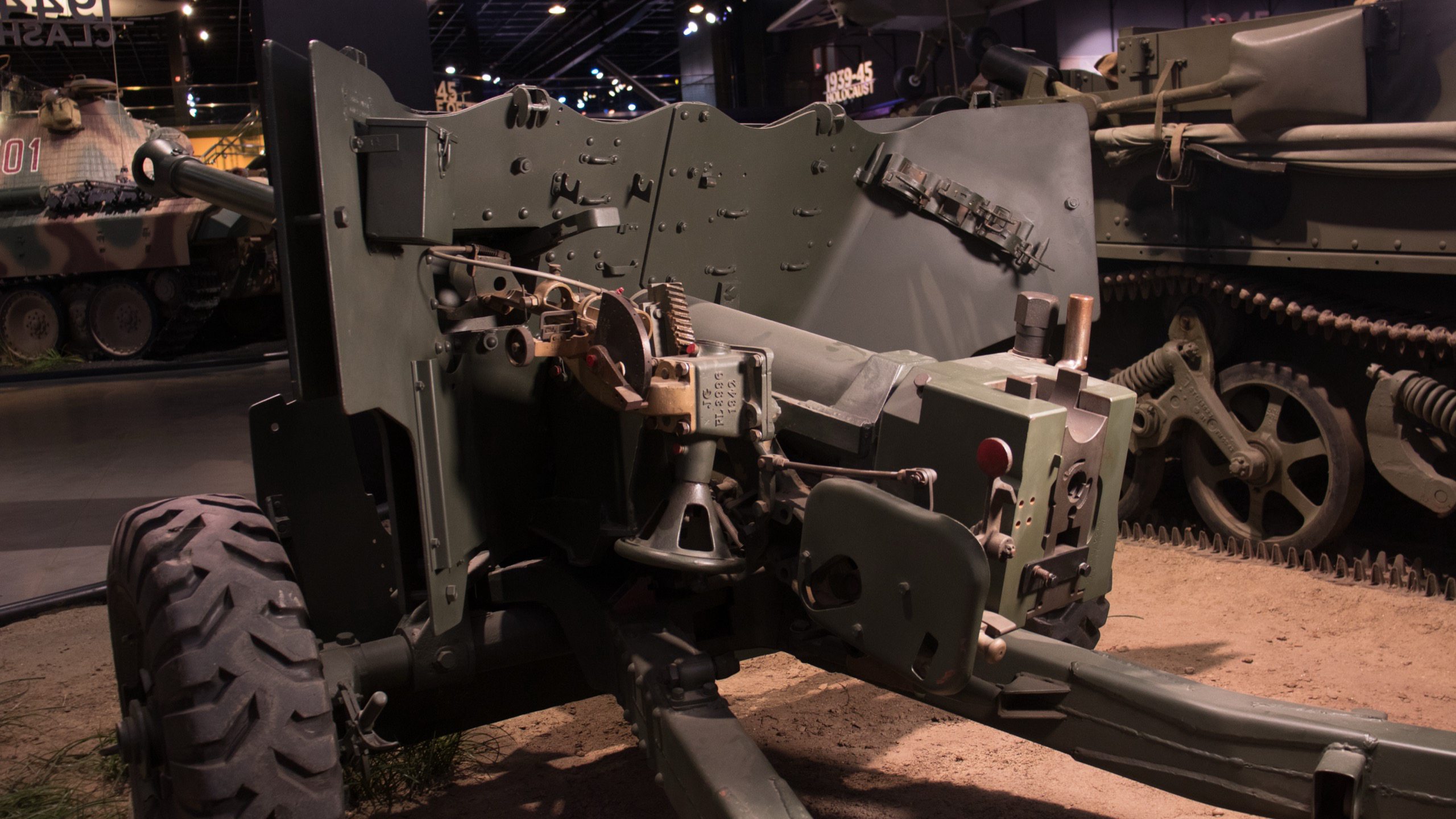
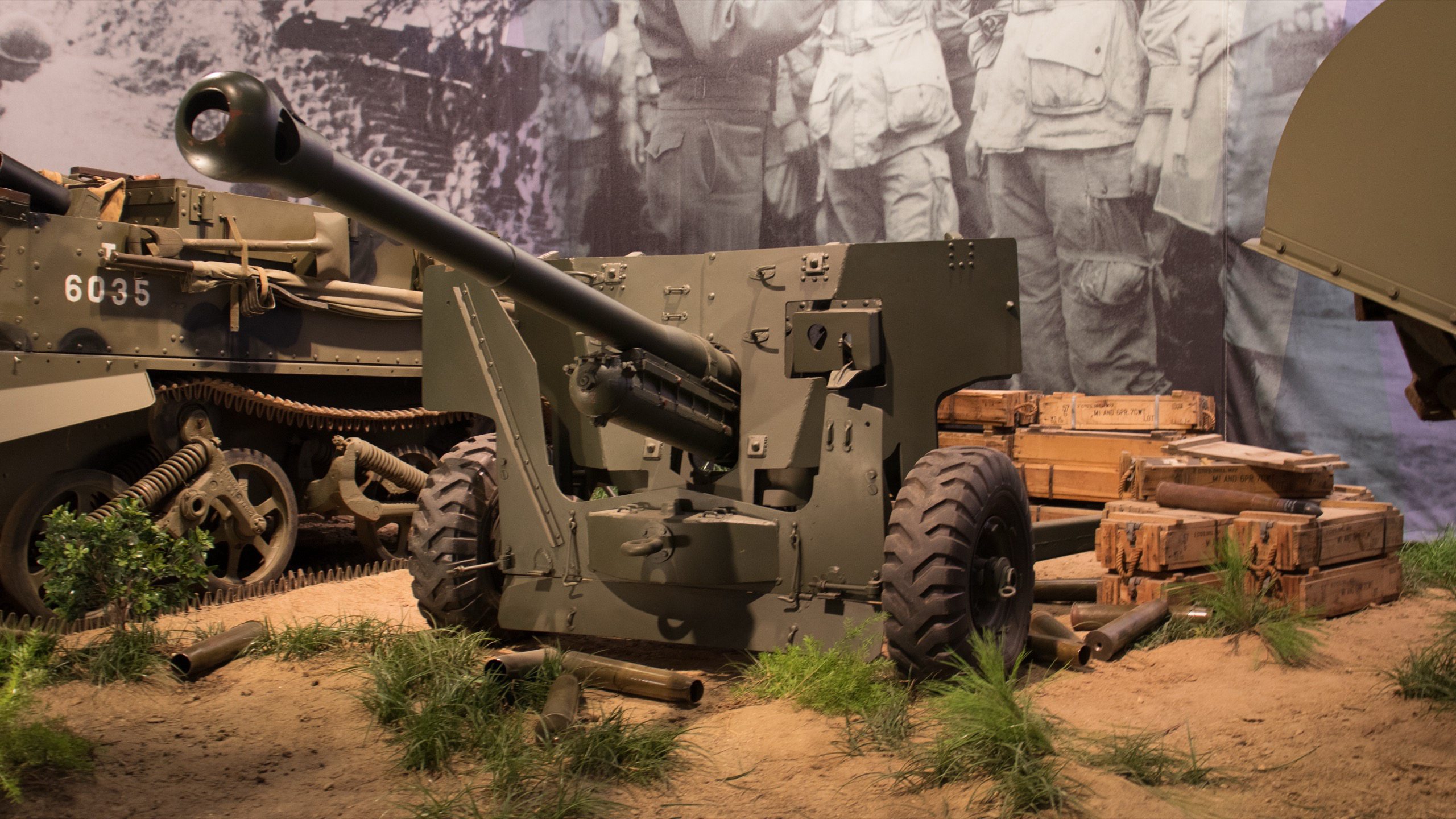
The British Ordnance Quick-Firing (QF) 6-Pounder was one of the most important Allied anti-tank weapons of World War II. Introduced in 1942, this powerful 57mm gun replaced the smaller 2-pounder, providing British and Commonwealth forces with significantly greater firepower against increasingly heavily armored German tanks.
Developed before the outbreak of war, the 6-pounder first saw combat during the North African Campaign in 1942. Its high-velocity armor-piercing ammunition proved effective against German Panzer III and Panzer IV tanks, while its compact design and relatively light weight allowed gun crews to maneuver it into concealed defensive positions.
During Operation Overlord, the Allied invasion of Normandy on June 6, 1944, 6-pounder guns accompanied British and Canadian formations establishing beachheads along the French coast. Special lightweight versions were also transported by glider to support American airborne troops operating behind German lines.
As Allied forces pushed inland through Normandy’s dense hedgerows and narrow country roads, the 6-pounder became a vital defensive weapon against German armored counterattacks. During fierce fighting around Bretteville-l’Orgueilleuse in June 1944, Canadian anti-tank crews employed 6-pounders to help defend their positions against German armored formations.
Although the arrival of heavily armored Panther and Tiger tanks increasingly challenged its effectiveness, improved armor-piercing ammunition extended the gun’s battlefield usefulness. The more powerful 17-pounder eventually assumed many heavy anti-tank duties, but the 6-pounder remained in service through the end of the war.
Displayed in the American Heritage Museum’s D-Day Gallery, the QF 6-Pounder represents the essential contribution of Allied anti-tank artillery to the successful Normandy invasion and the liberation of Western Europe.