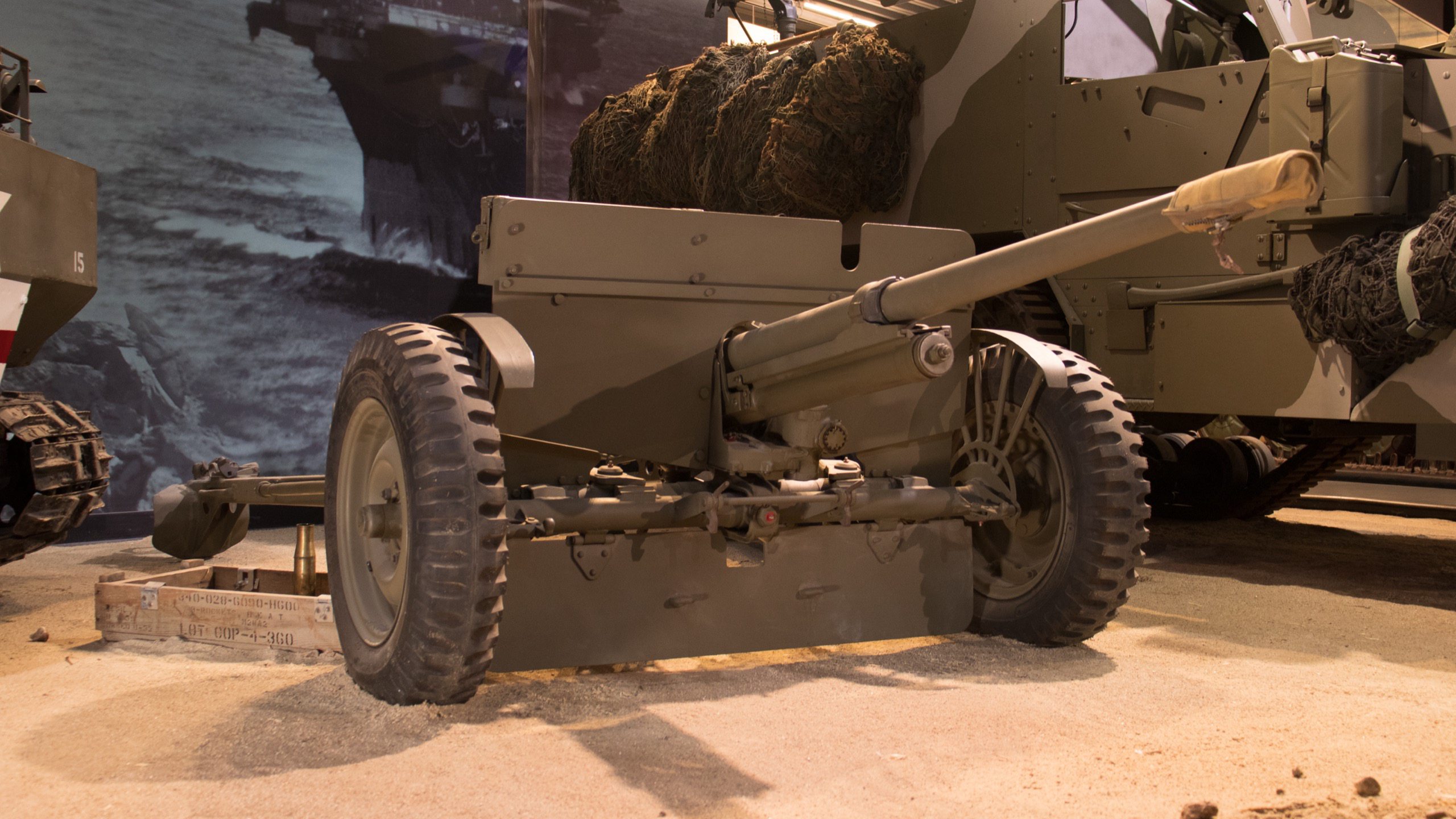
37mm M3 Anti-Tank Gun
The M3 37mm Anti-Tank Gun was the primary gun for U.S. forces when the United States entered WWII.
The 37mm first saw action against the…
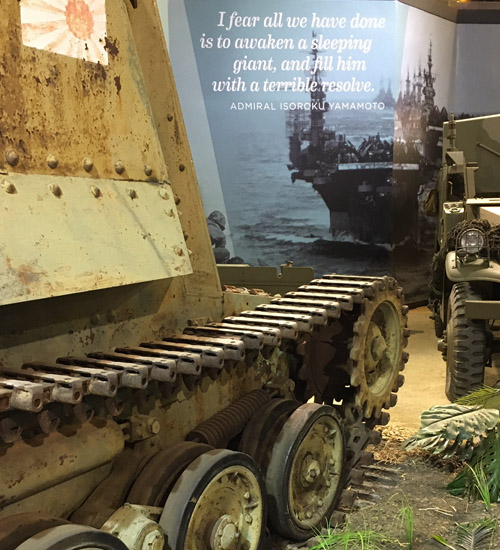
On December 7, 1941, Japan staged a surprise attack on Pearl Harbor, severely damaging the US Pacific Fleet. When Germany and Italy declared war on the United States days later, America found itself in a global war. Japan launched a relentless assault that swept through the US territories of Guam, Wake Island, and the Philippines, as well as British-controlled Hong Kong, Malaya, and Burma.
The Pacific Theater was a major theater of the war between the Allies and the Empire of Japan during WWII. It was defined by the Allied powers’ Pacific Ocean Area command, which included most of the Pacific Ocean and its islands, while mainland Asia was excluded. In the Pacific Ocean theater, Japanese forces fought primarily against the United States Navy, the U.S. Marine Corps and the U.S. Army. The United Kingdom, New Zealand, Australia, Canada and other Allied nations also contributed forces.
The Pacific Theater officially came into existence on March 30, 1942, when US Admiral Chester Nimitz was appointed Supreme Allied Commander Pacific Ocean Areas. In the other major theater in the Pacific region, known as the South West Pacific theater, Allied forces were commanded by US General Douglas MacArthur. Most Japanese forces in the theater were part of the Combined Fleet of the Imperial Japanese Navy, led by Admiral Isoroku Yamamoto until he was killed in an attack by U.S. fighter planes in April 1943.
Though the United States won the last major battle of Okinawa, the American government decided that to keep fighting Japan would cause too many additional deaths. To try and end the war, the United States dropped two atomic bombs on the Japanese cities of Hiroshima and Nagasaki. The blasts killed over 129,000 people and left behind radiation that affected the cities for years afterward. On August 15th, 1945, Japan surrendered and, on September 2nd, signed the formal documents to put an end to the war.
The M3 37mm Anti-Tank Gun was the primary gun for U.S. forces when the United States entered WWII.
The 37mm first saw action against the…
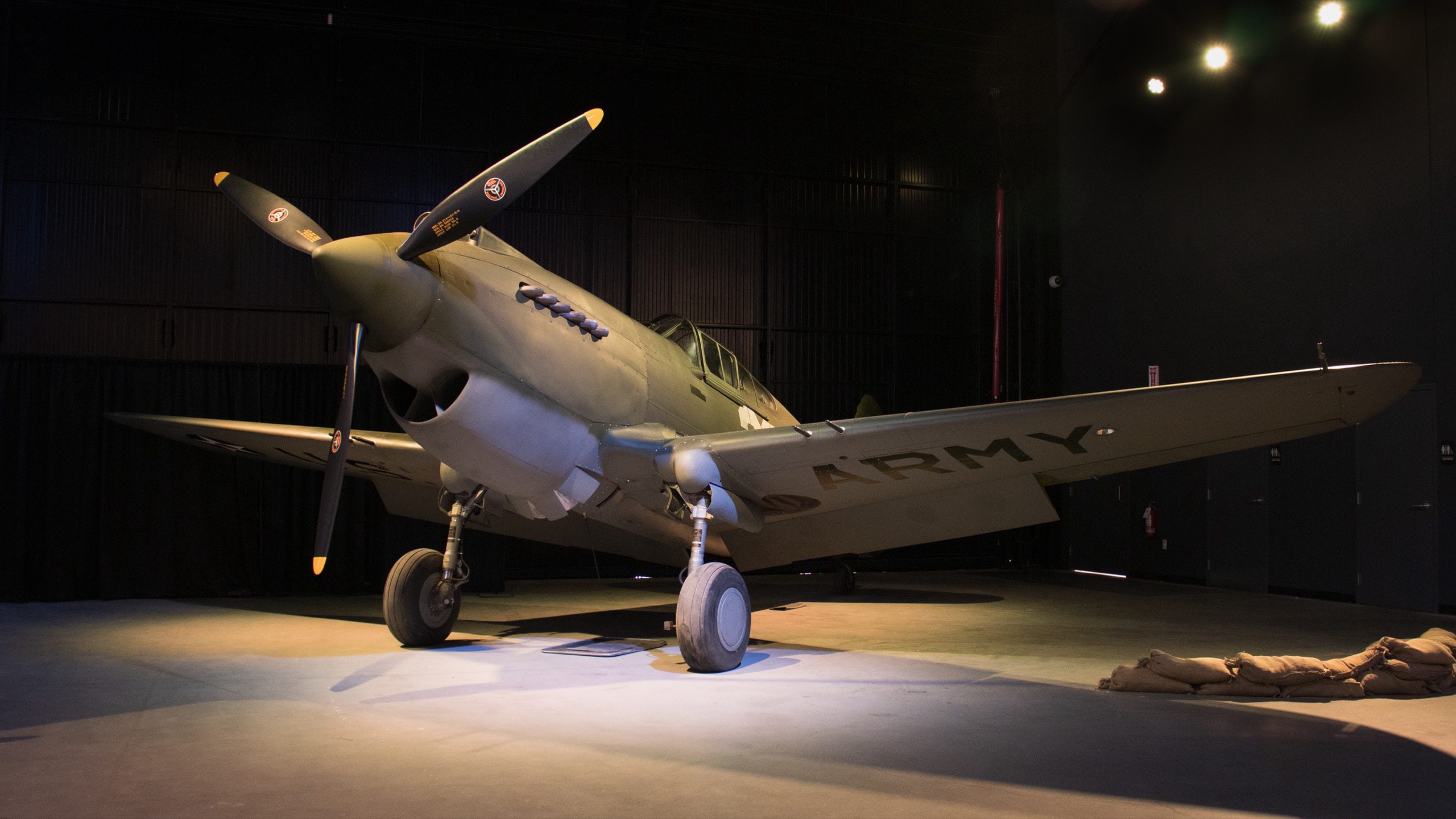
The P-40 was the third-most numerous US fighter of World War II. An early prototype version of the P-40 was the first American…
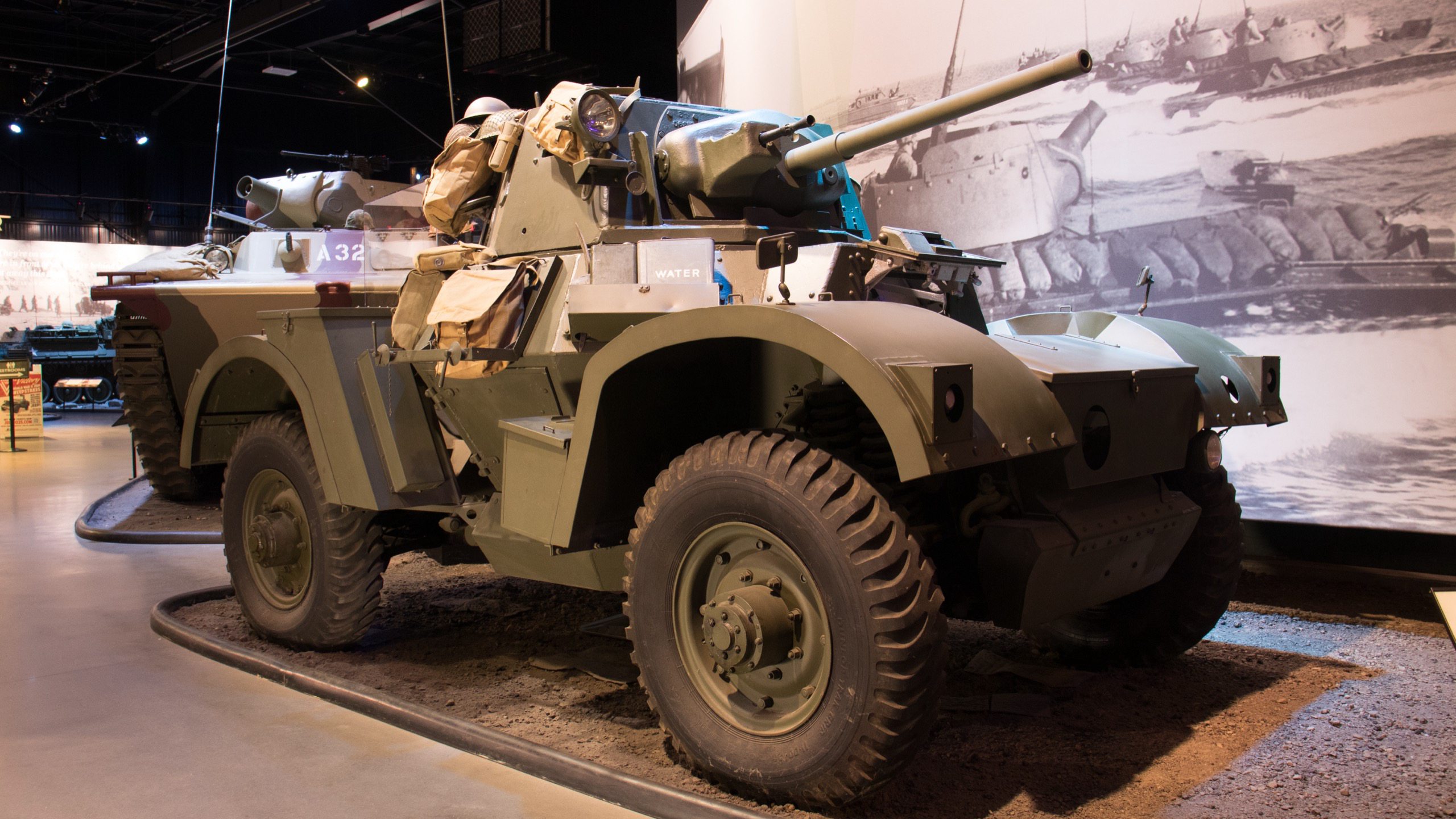
The Daimler Armored Car was a British design used for armed reconnaissance and liaison purposes. The Mk. II included and improved turret, improved radiator,…
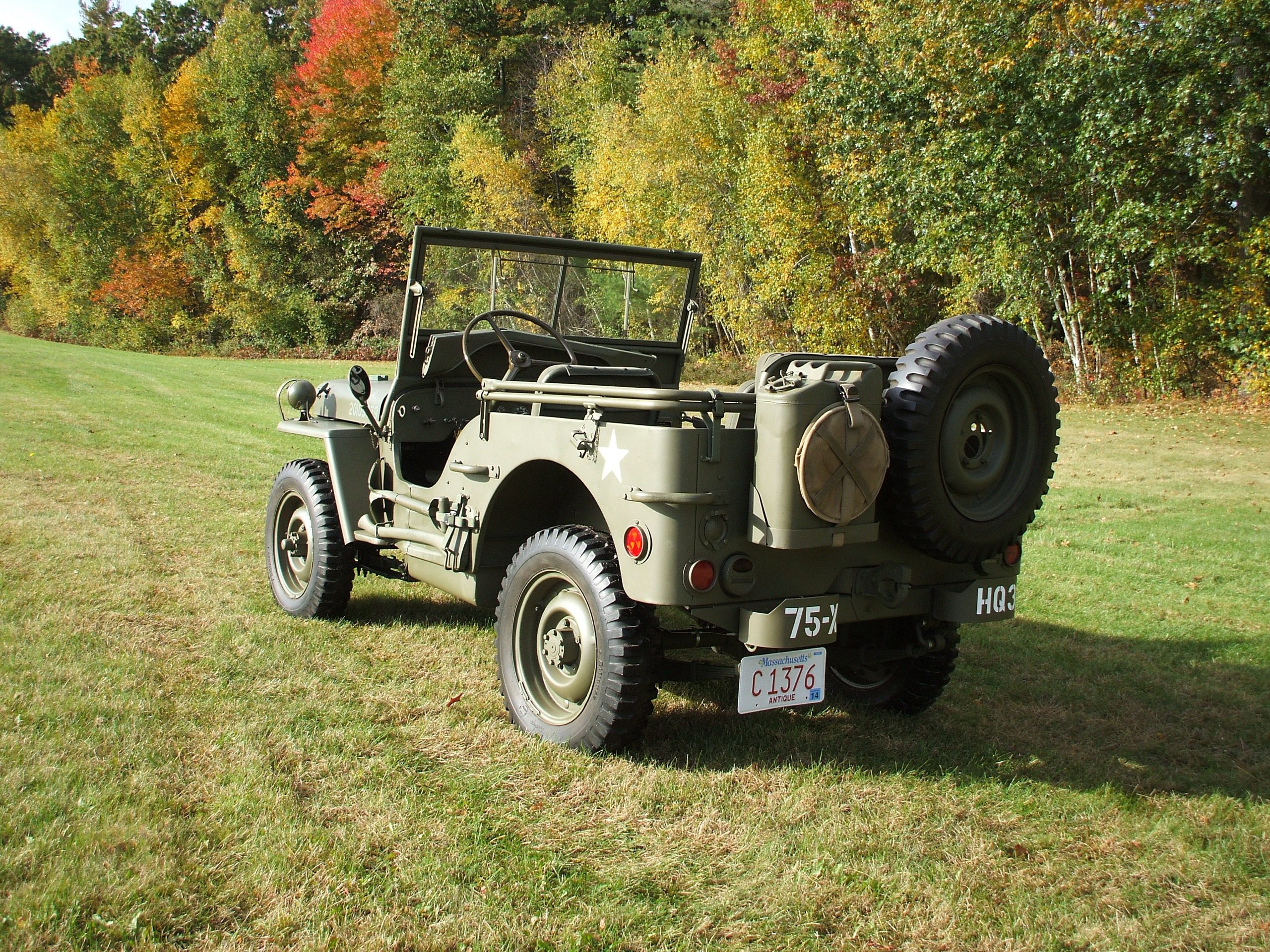
The jeep became the primary light wheeled transport vehicle of the US Military and its Allies in WWII, as well as the postwar period, with…
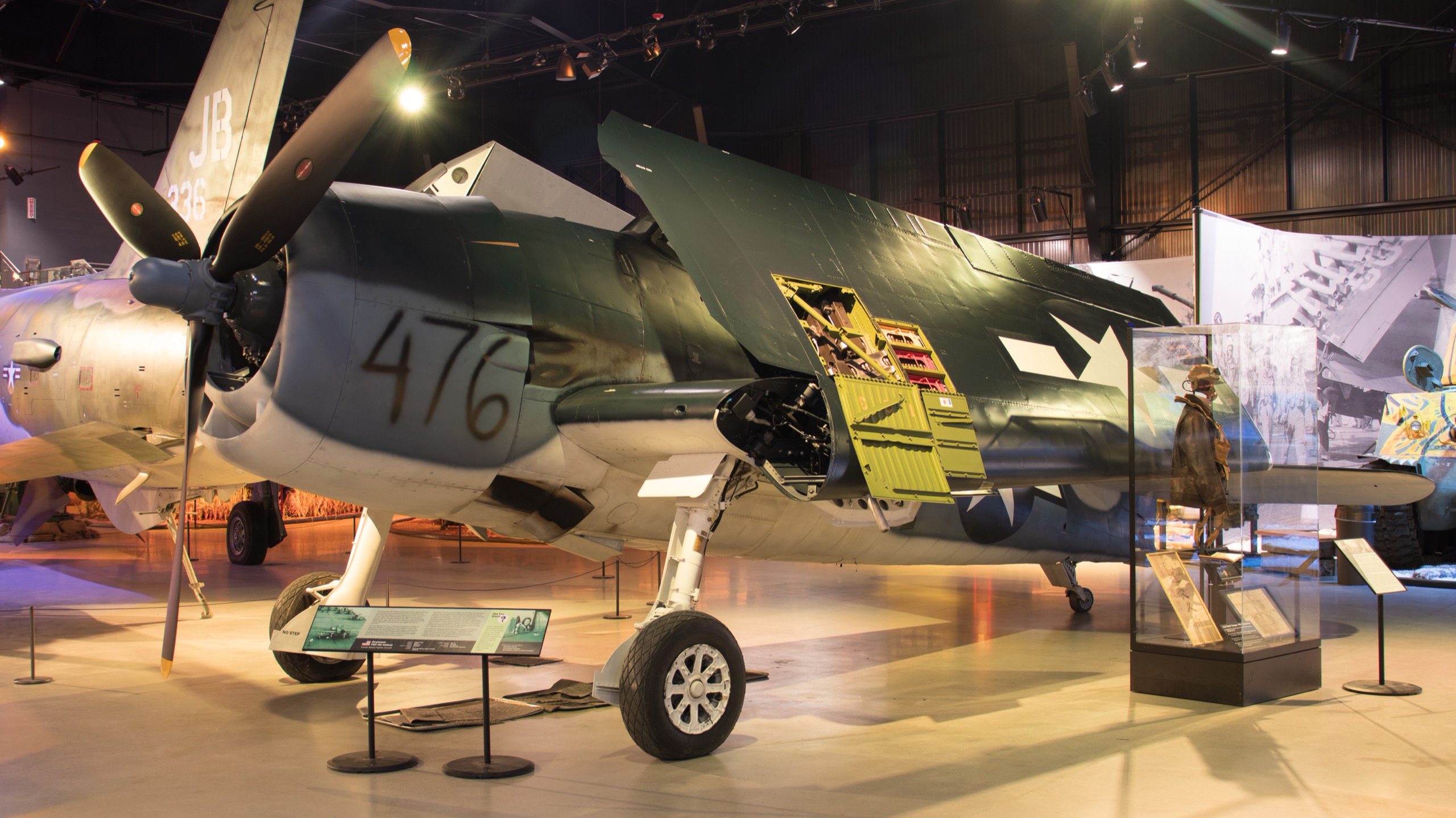
The history of the Hellcat is intertwined…
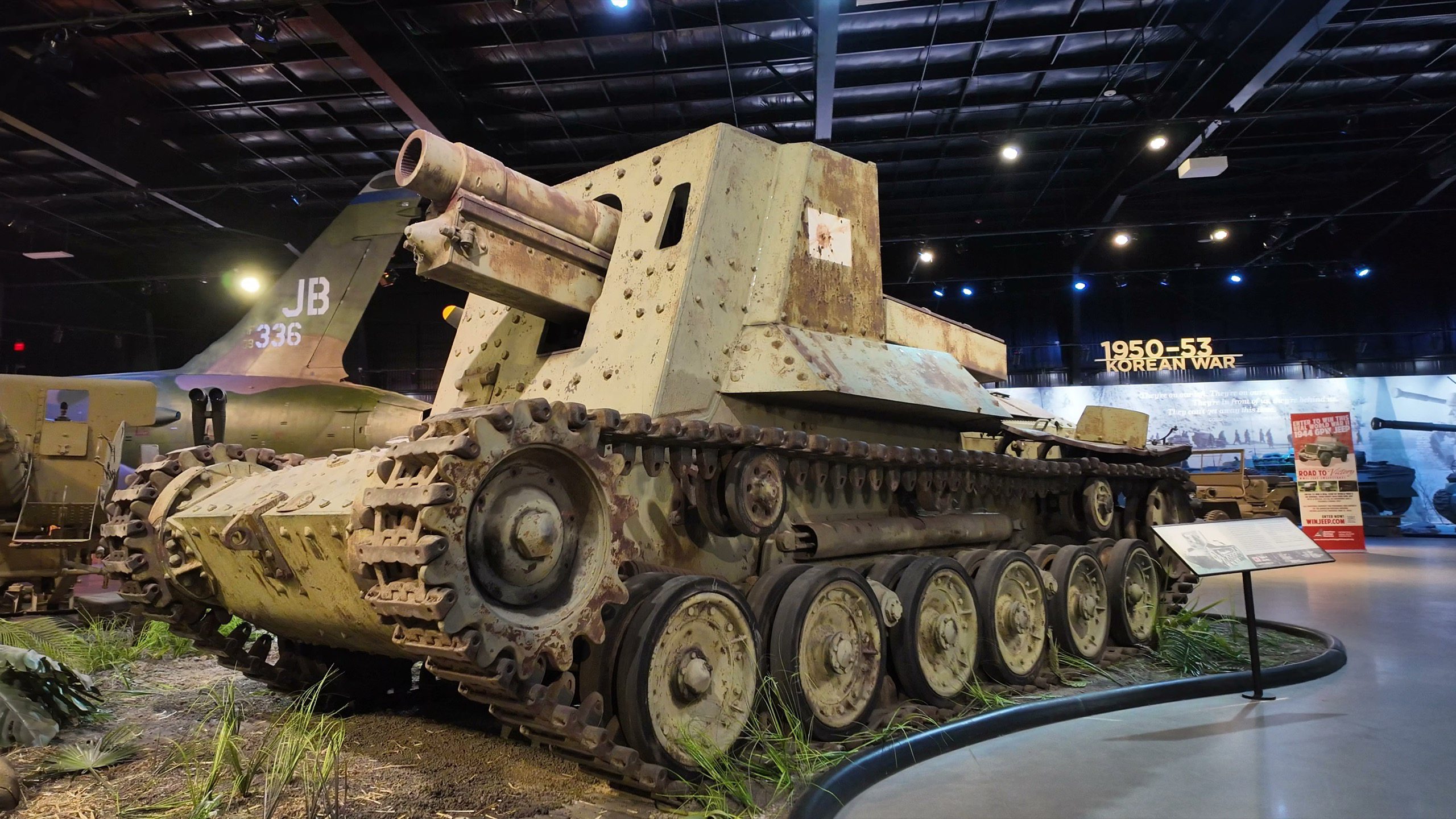
Thanks to the National Museum of the U.S. Marine Corps., the American Heritage Museum has added the last known WWII Japanese Ho-Ro self-propelled gun…
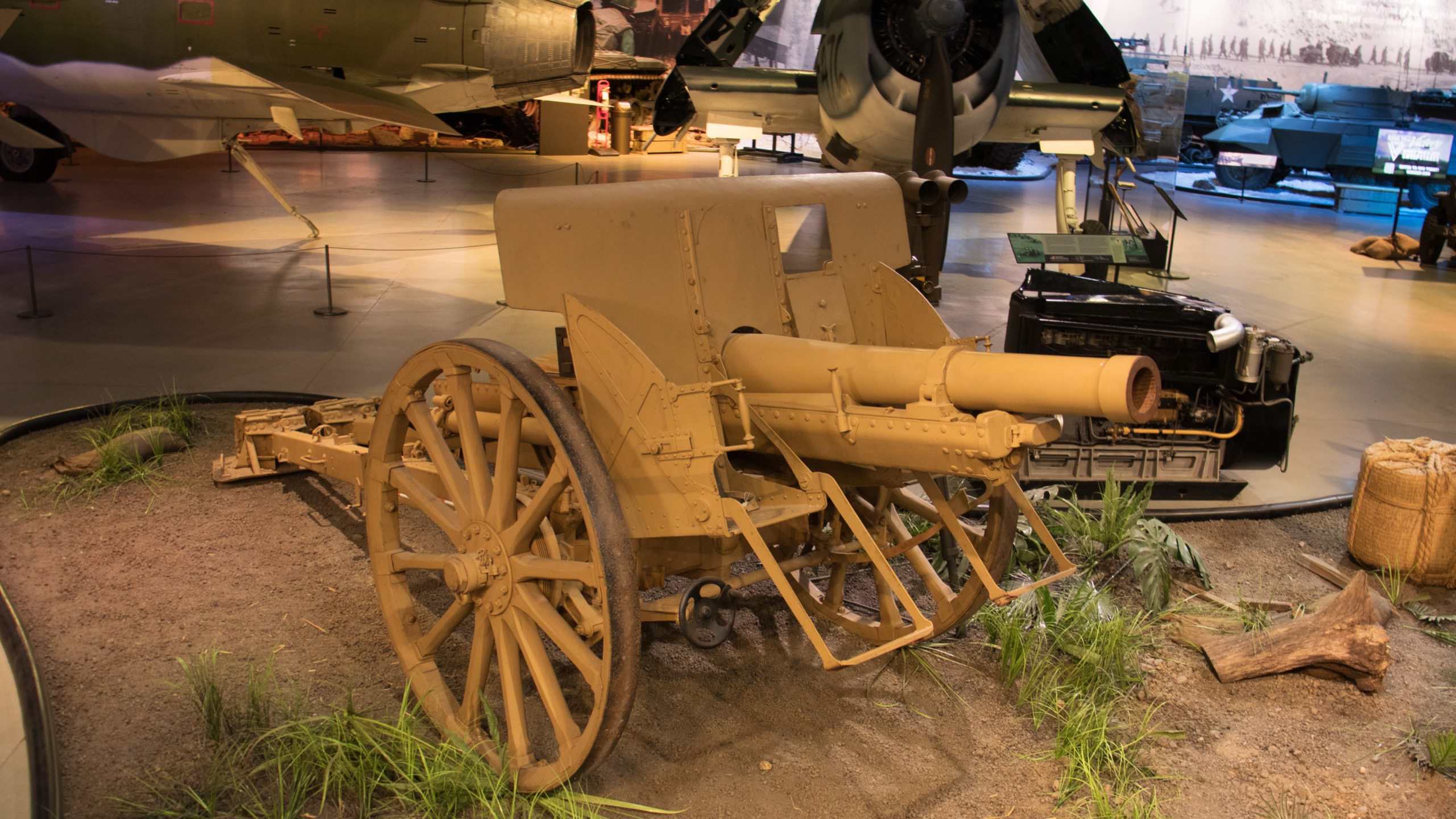
The Type 91 105mm towed howitzer was a Japanese version of the French Model 1913 “Schneider” of WWI. The Osaka Arsenal built 1,200 Type…
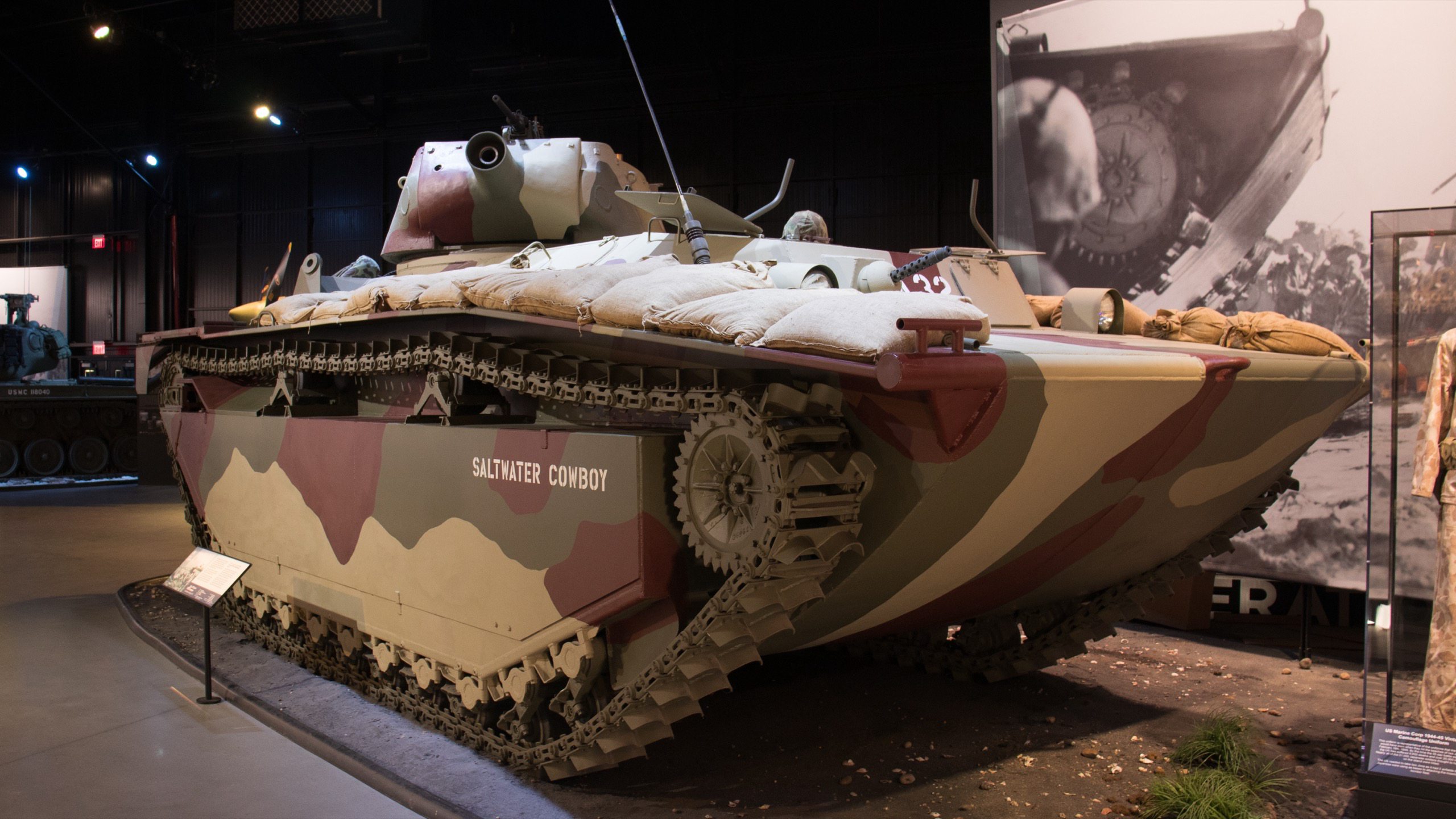
The Landing Vehicle, Tracked (LVT) is an amphibious warfare vehicle and amphibious landing craft, introduced by the United States Navy. The United States Marine…
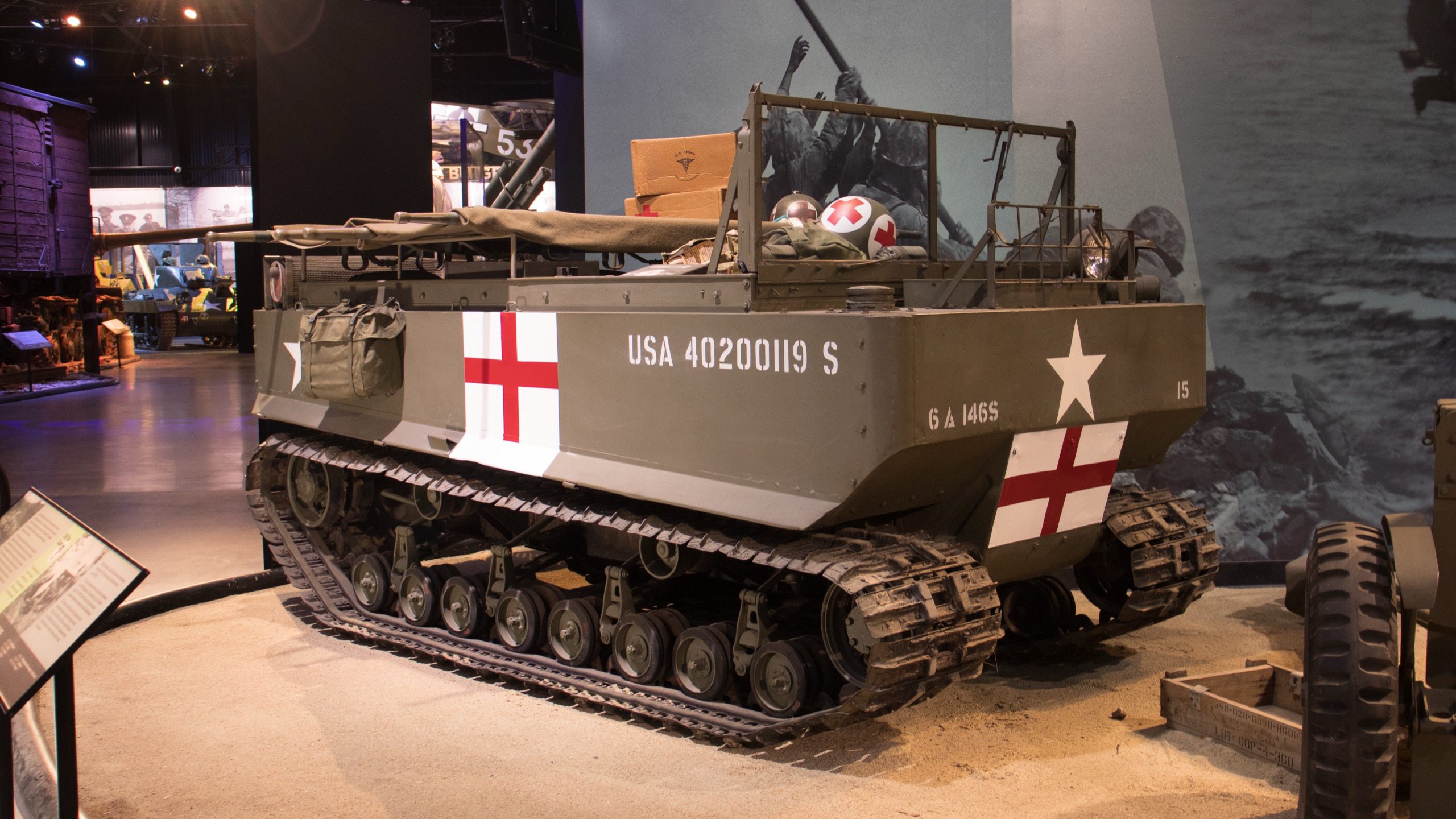
In 1944, the First Special Service Force was tasked to take out power plants in Norway. The terrain and snow called for a special…
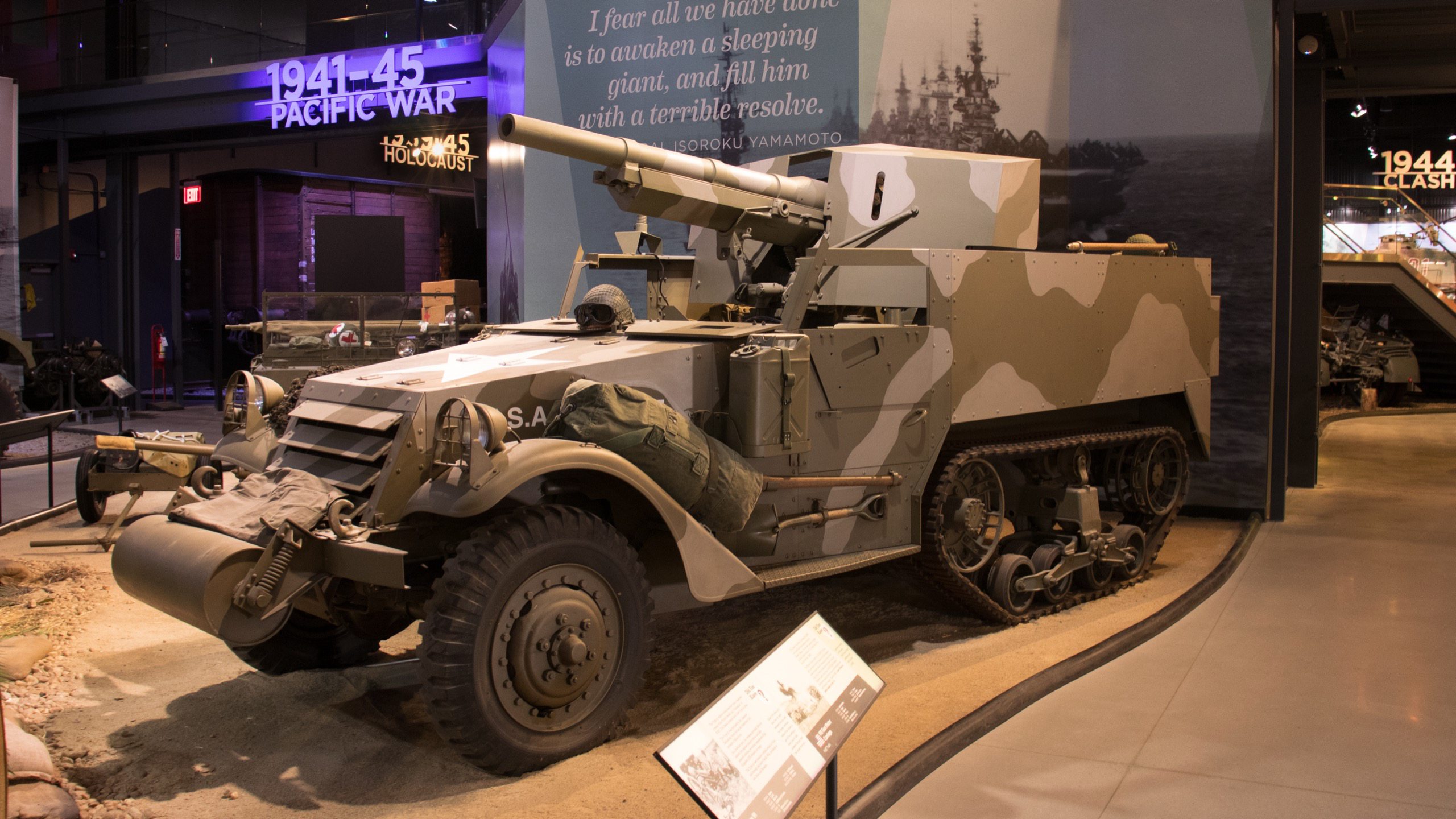
The M3 Gun Motor Carriage (GMC) was a United States Army tank destroyer equipped with a 75 mm M1897A4 gun, which was built by…